SALA RIO CINCA
Olive Grove Interpretation Center in Zaidín
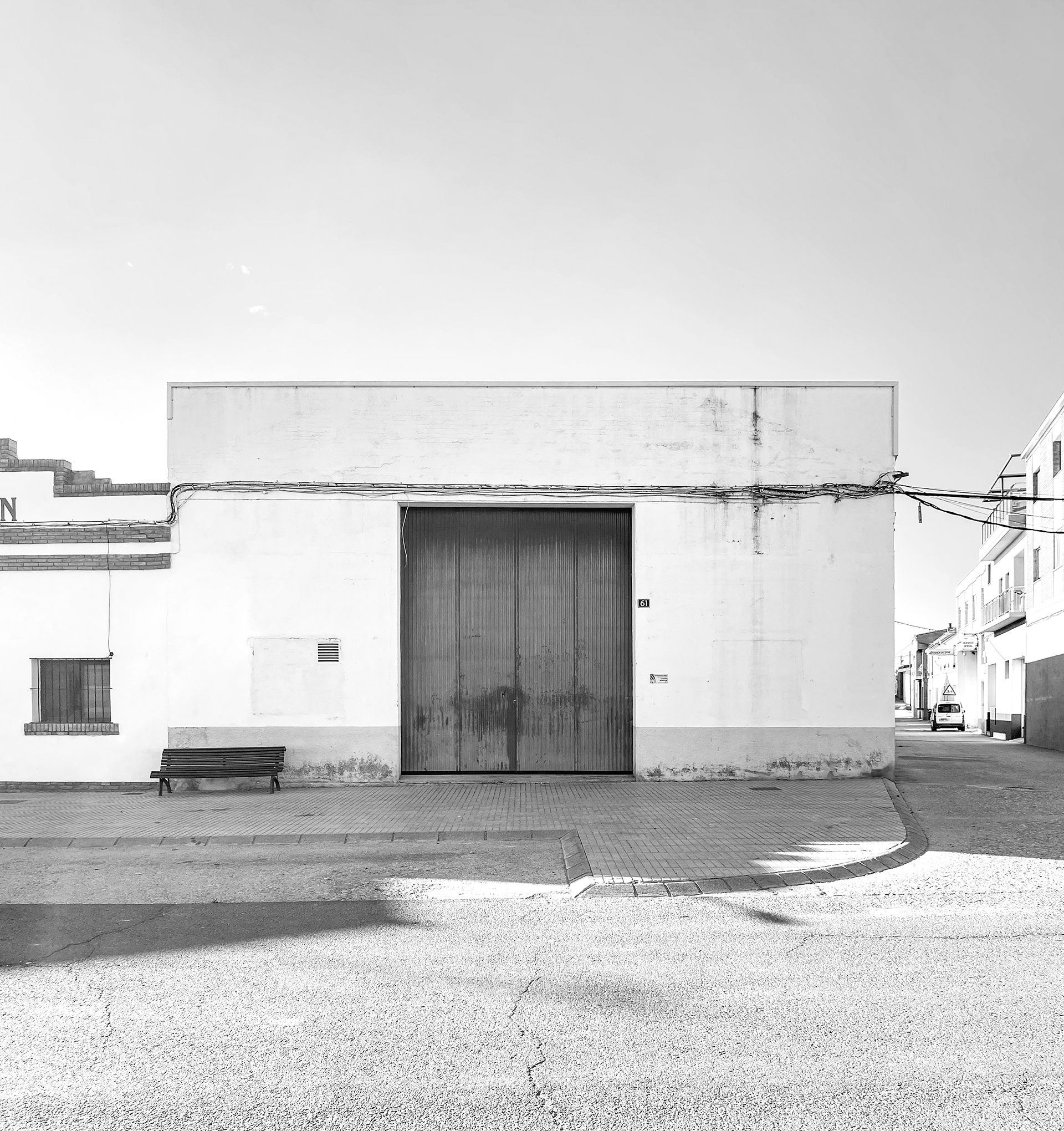
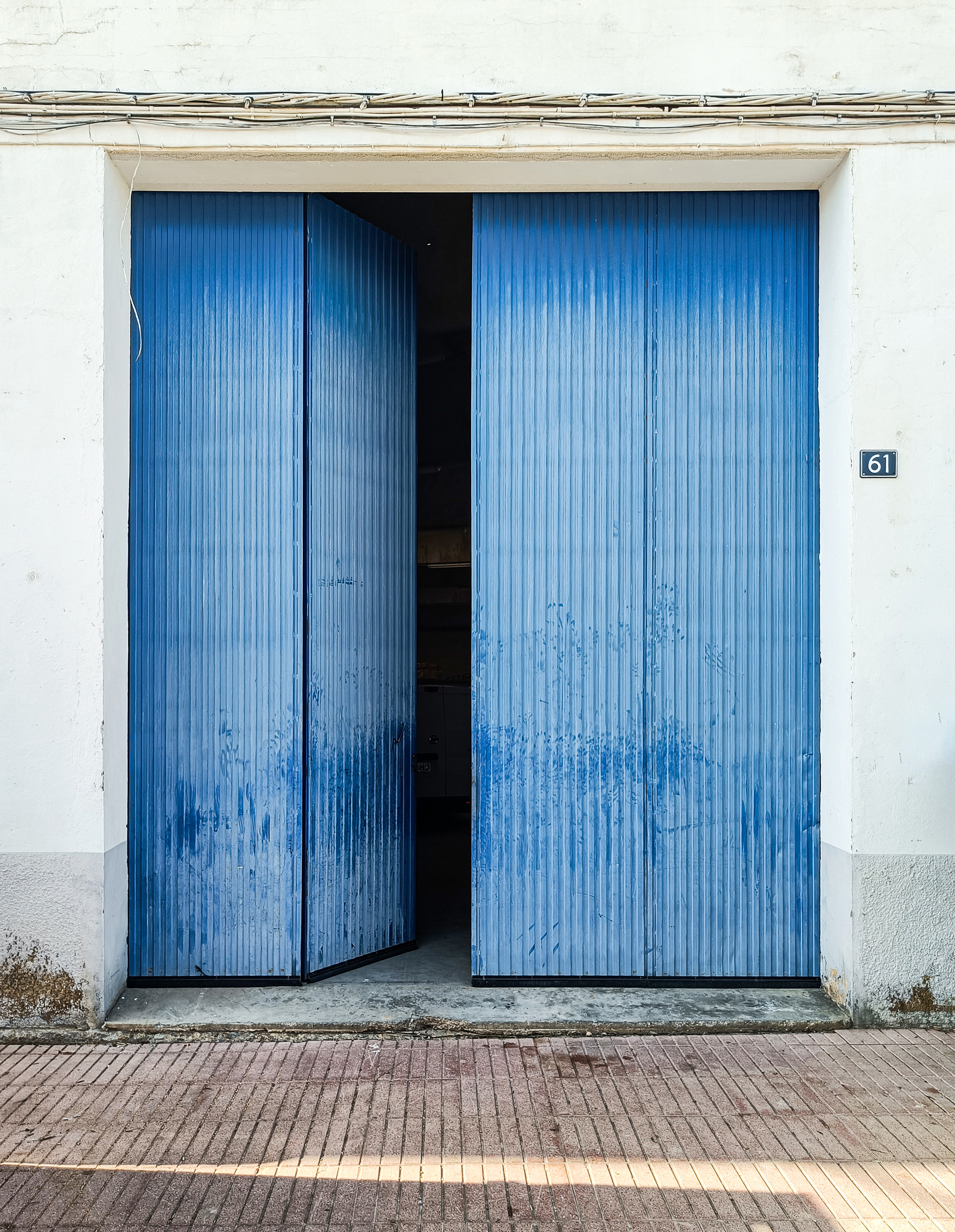
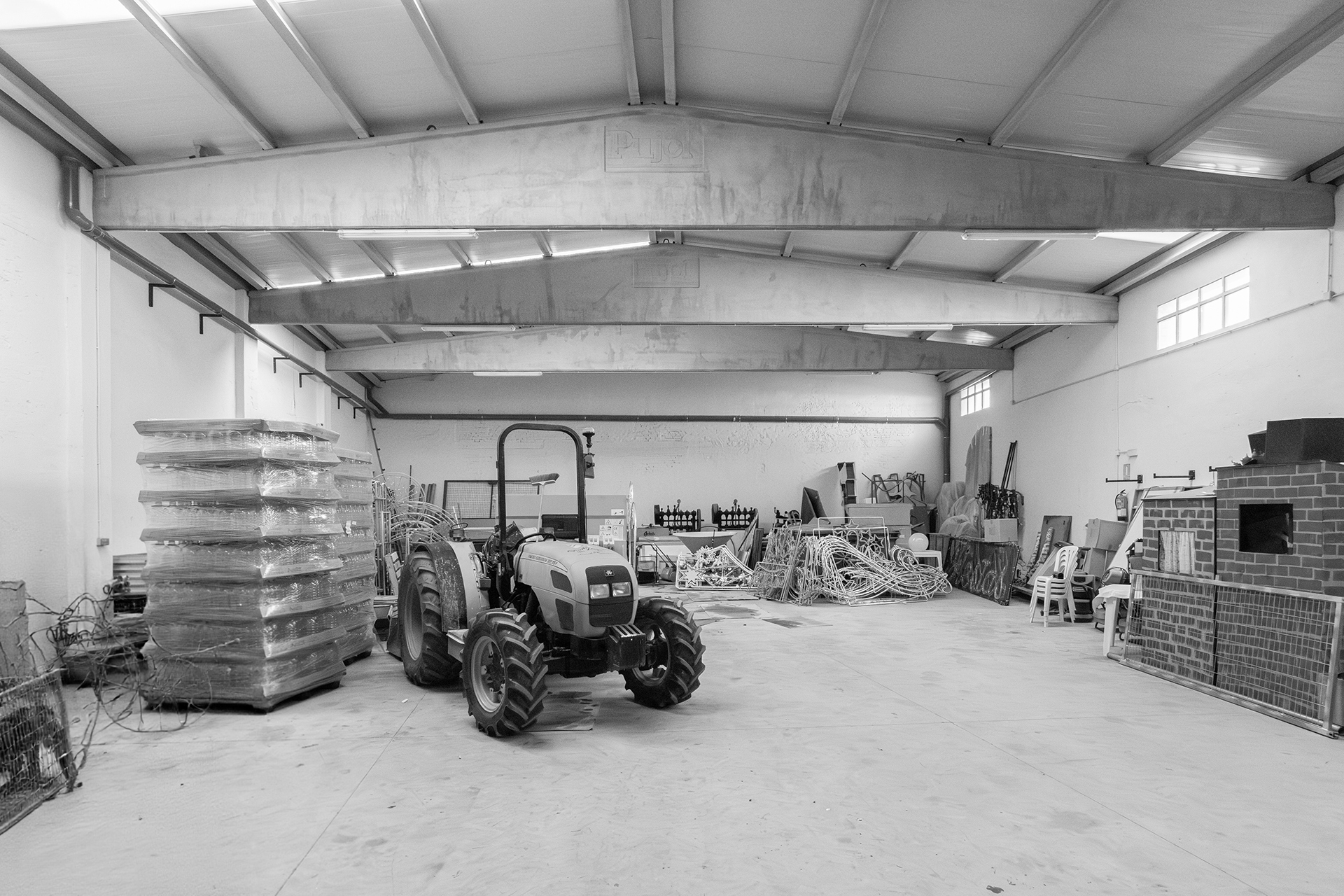
Saidí is a land deeply rooted in olive trees and groves. In this landscape, profoundly linked to the cultivation and culture of oil, the project proposes the recovery of a former warehouse structure to transform it into an Interpretation Centre: an exhibition space and a versatile hall adaptable to various uses.
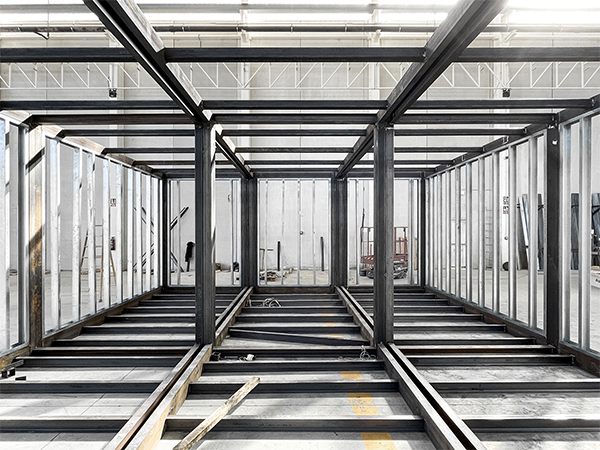
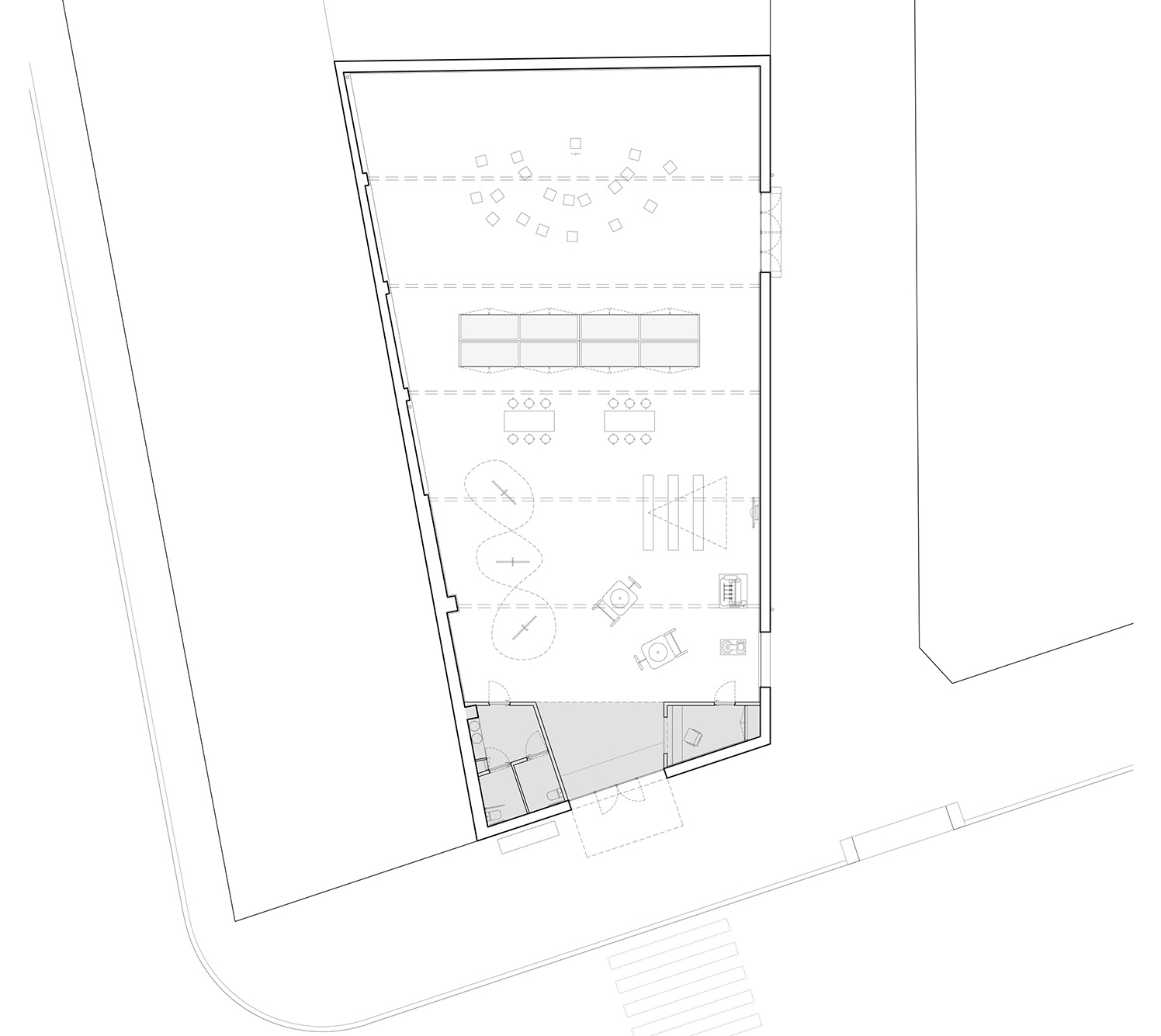
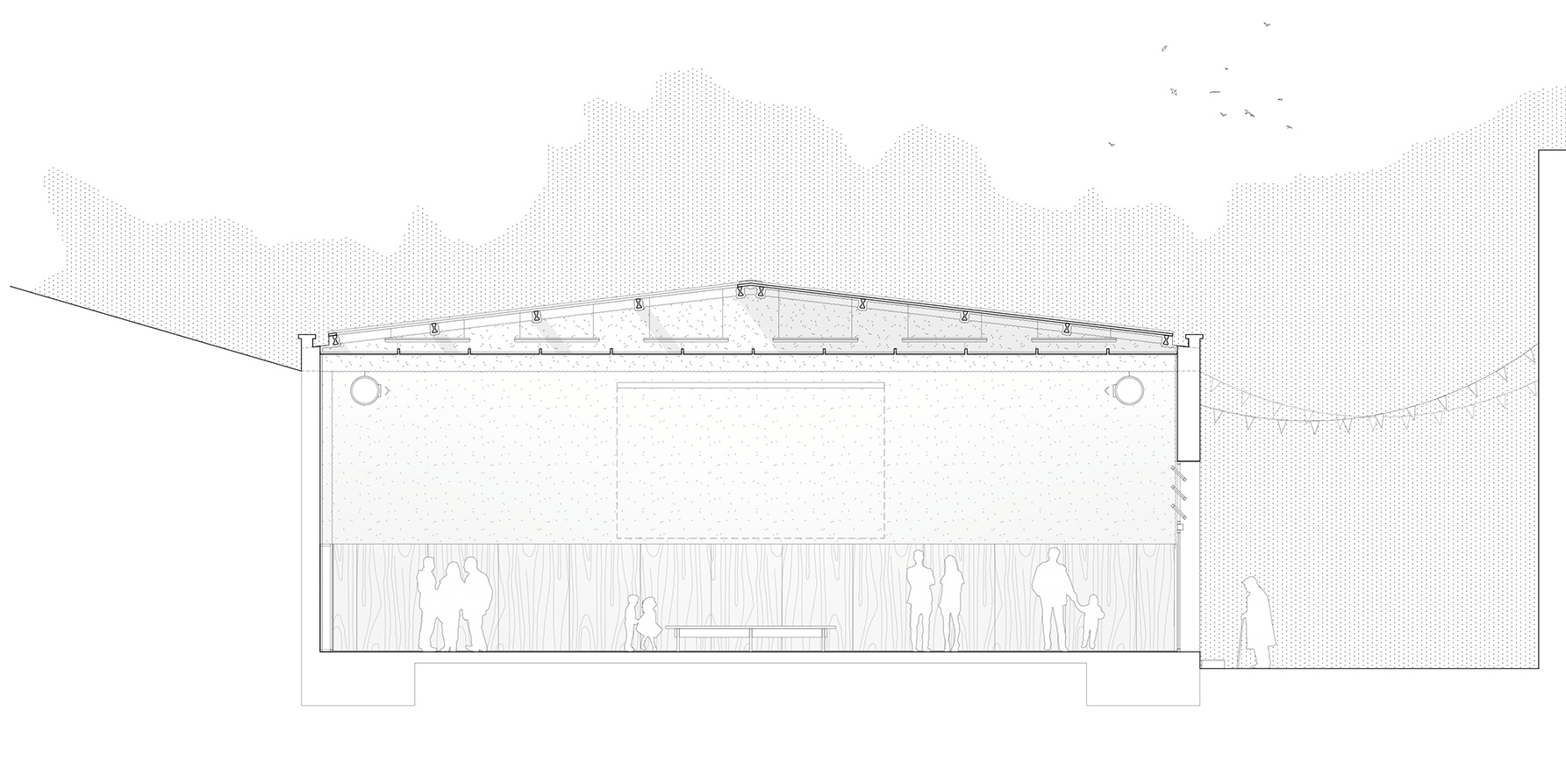
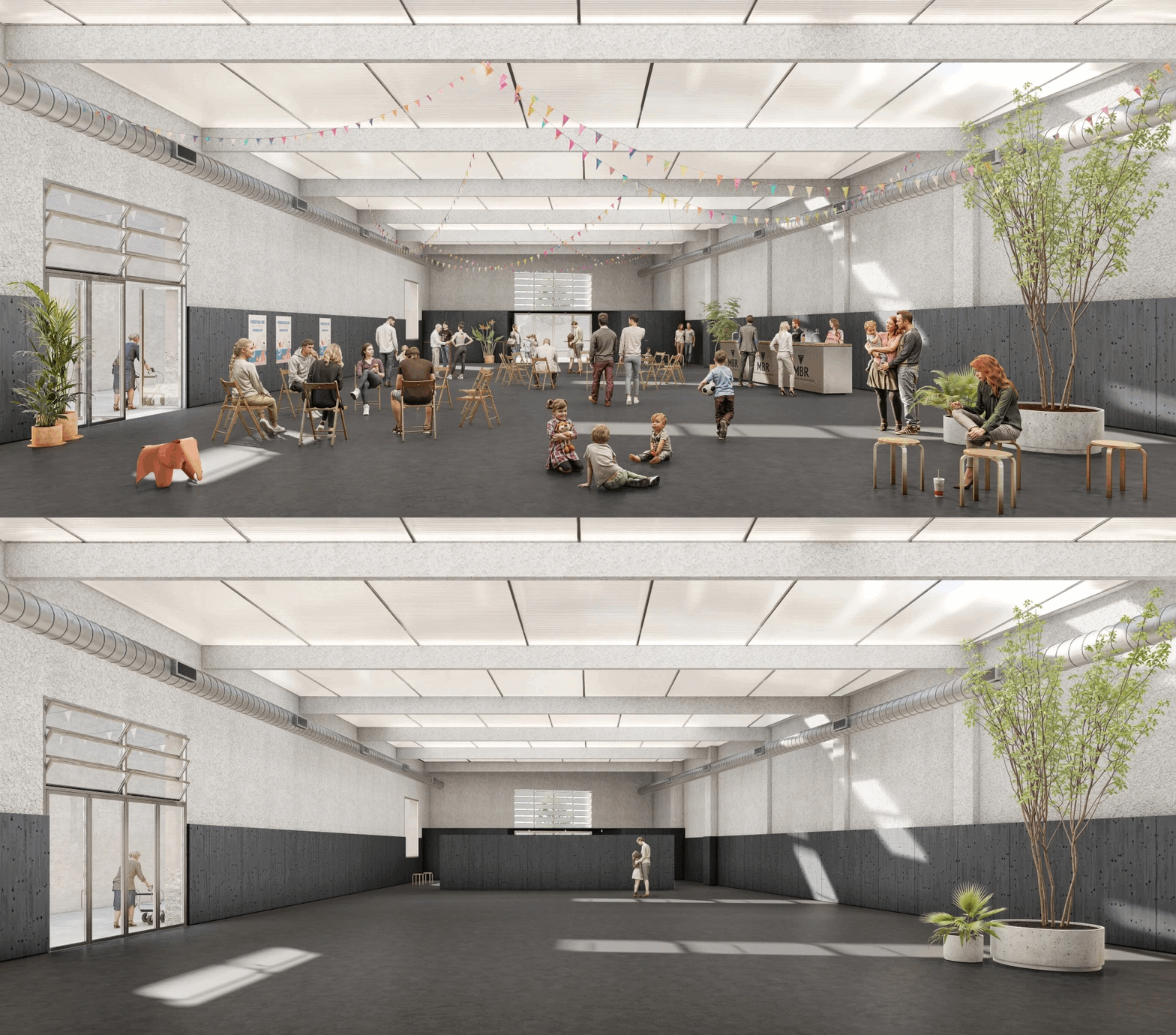
The intervention begins with one essential operation: emptying the nave to restore its condition as a unitary space. Compartmentalisation and additions are eliminated, preserving only the structure and the envelope to free up a large, continuous void. A small, autonomous access volume is annexed to the structure, concentrating the enclosed uses (restrooms and control), allowing the rest of the space to remain flexible.
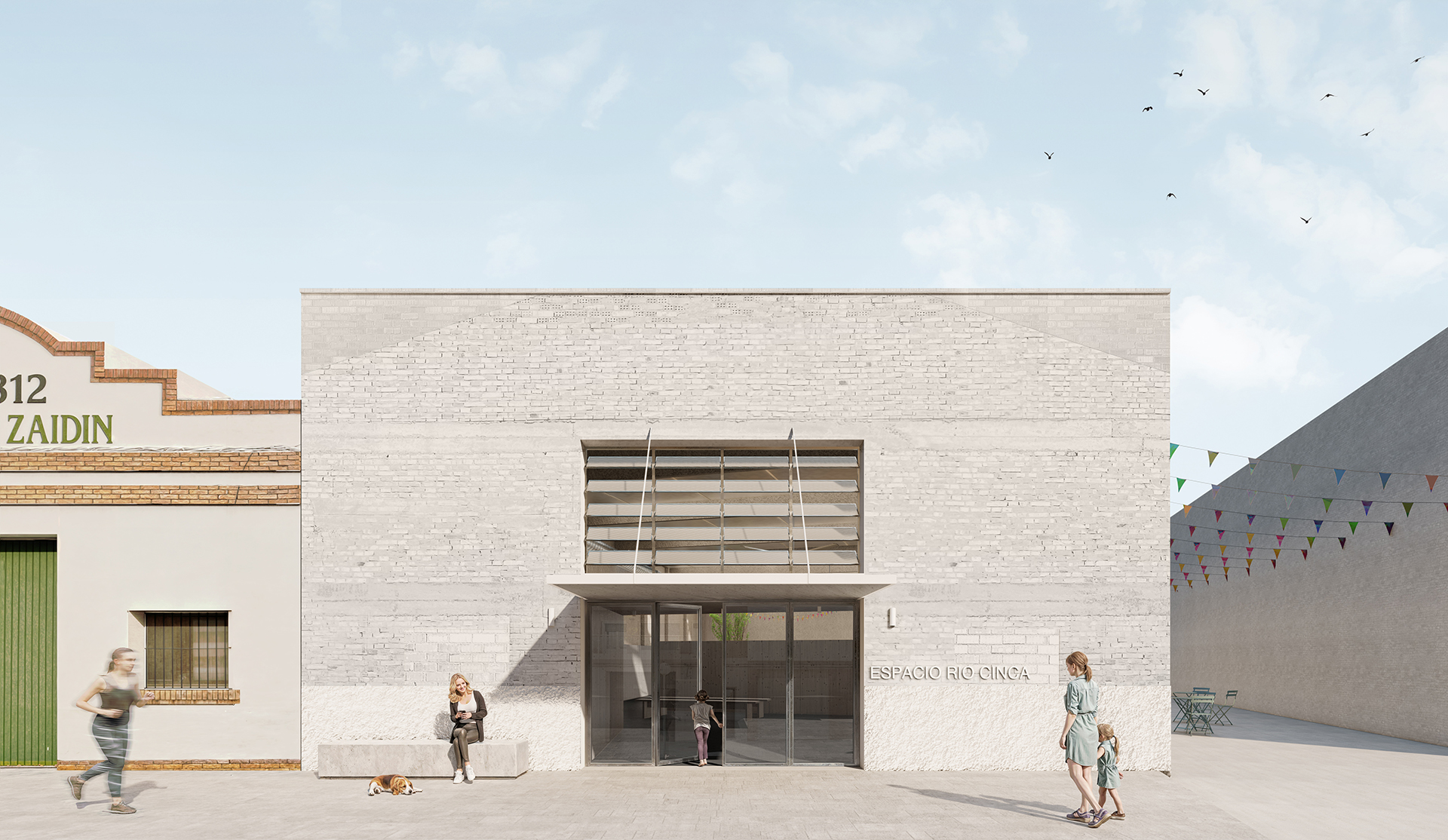
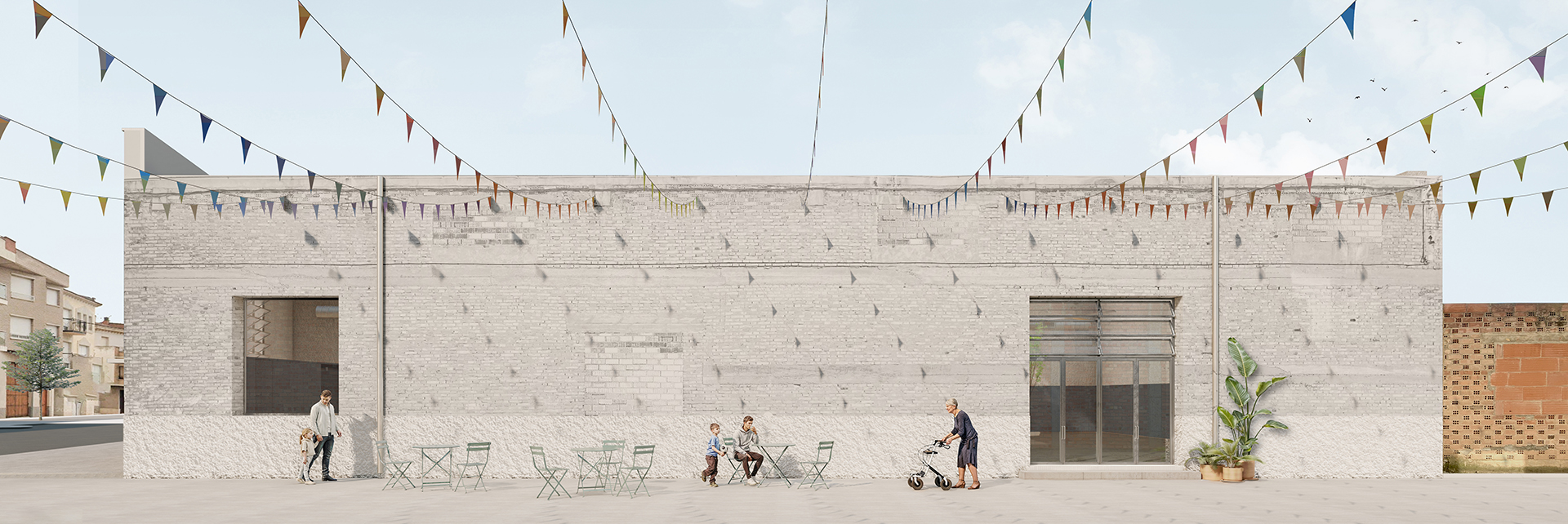
The building is conceived to function passively for as long as possible. The energy upgrade is based on reinforcing the thermal and acoustic insulation of the walls and roof, finished in white. A system of controlled natural ventilation is created using motorised openings that regulate cross-ventilation, reducing dependence on active systems and promoting sustainable use. Concurrently, openings are selectively adjusted to reduce visual noise and order the façade, directing views and reinforcing the interior-exterior relationship.
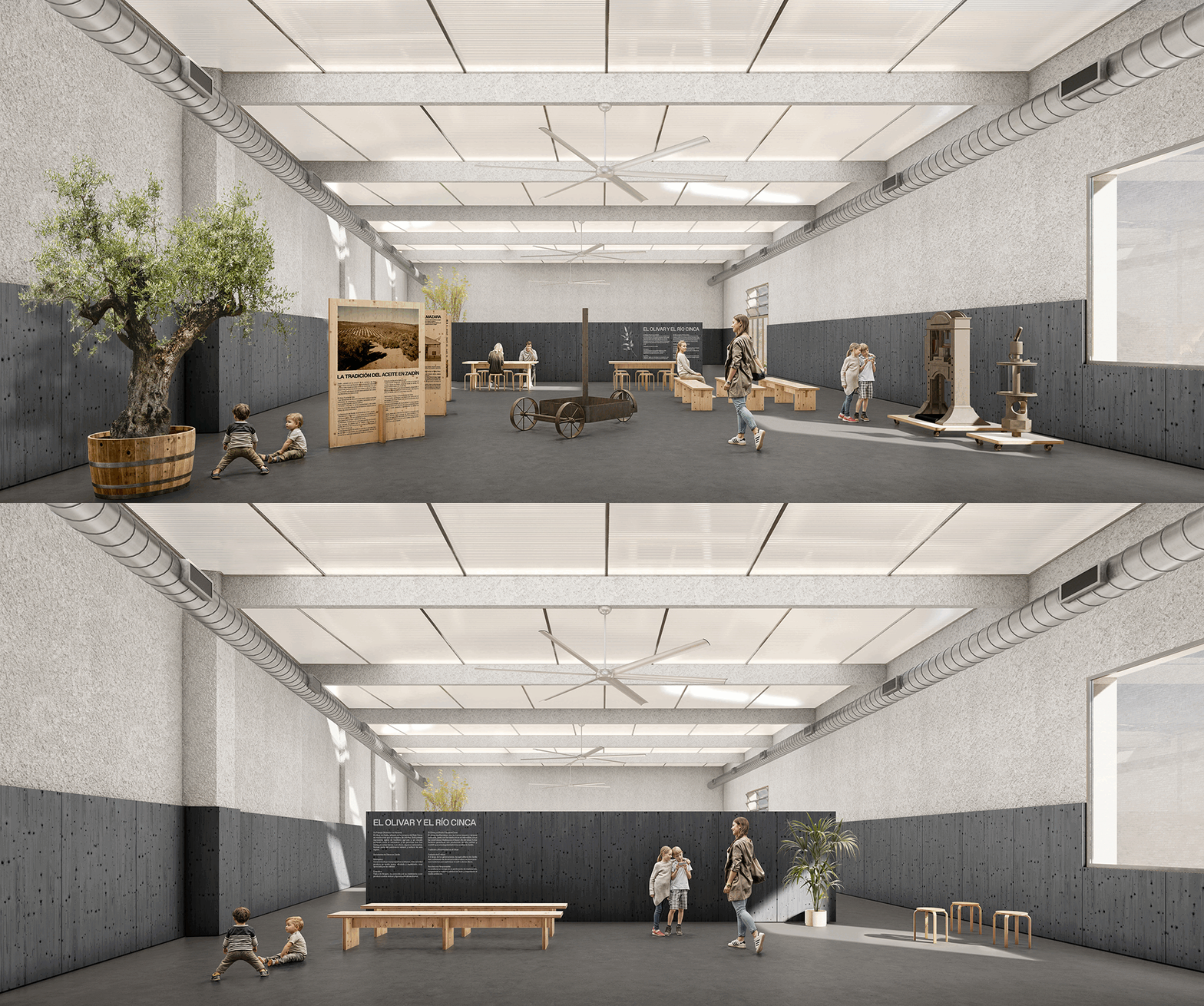
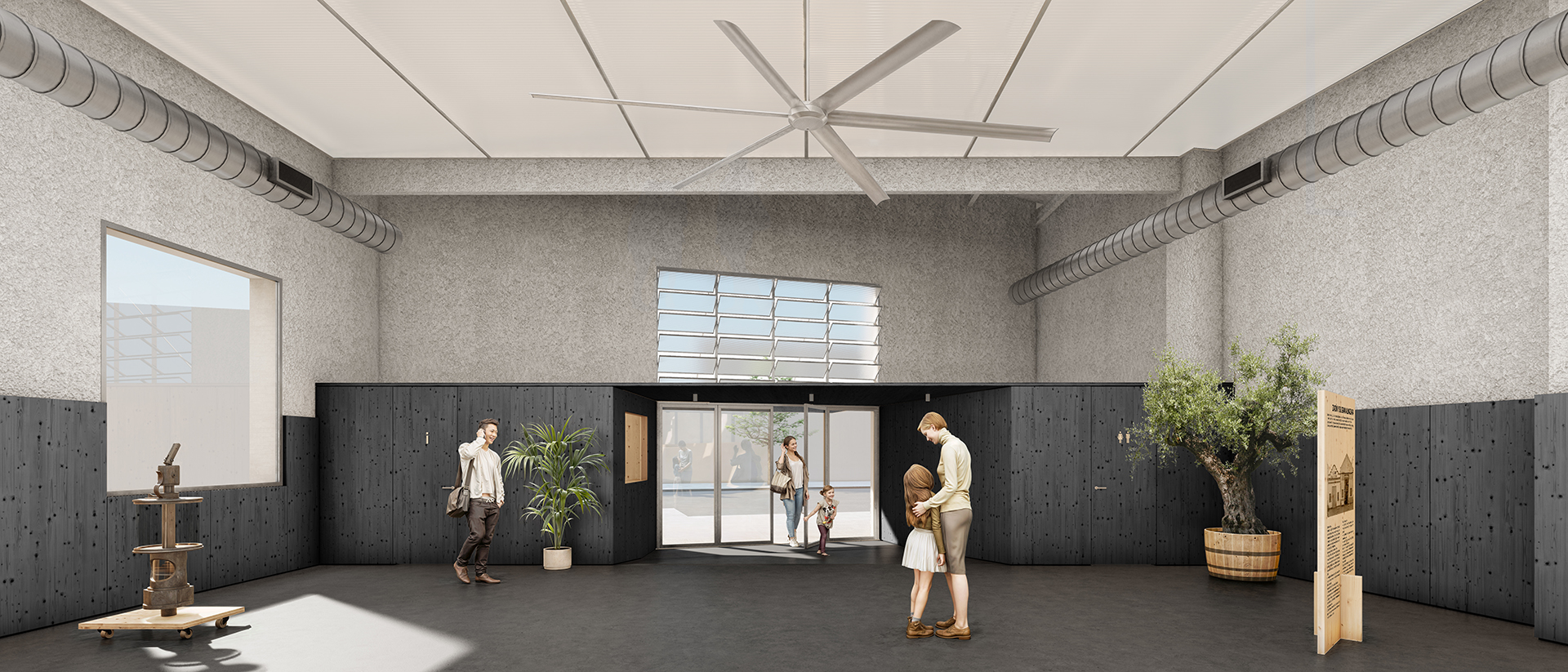
The interior design is defined by restraint and contrast: the floor is a continuous black paving that anchors the space. Up to 1.80m, the perimeter is clad with black-stained timber panelling, building a dense, dark base.
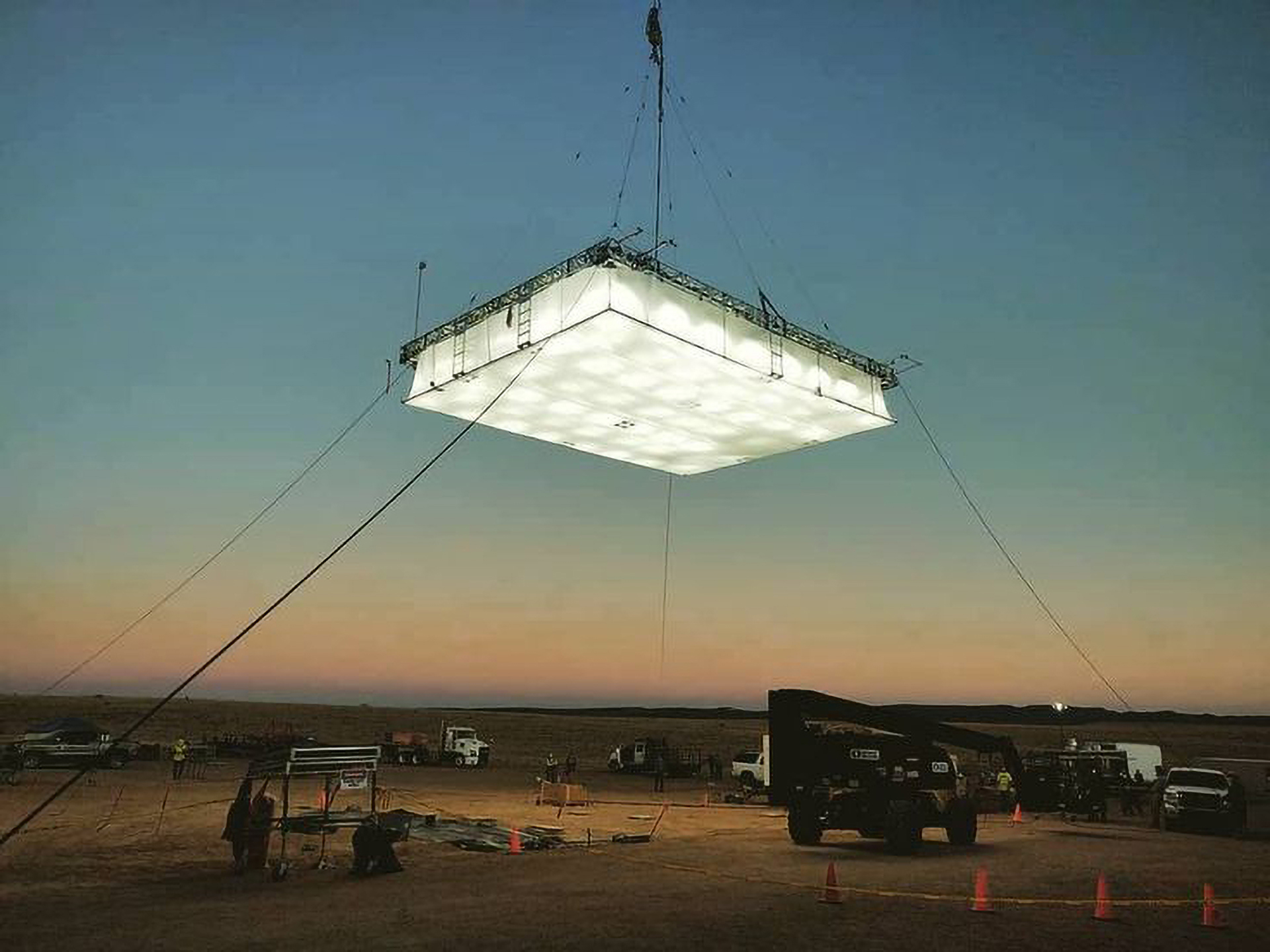
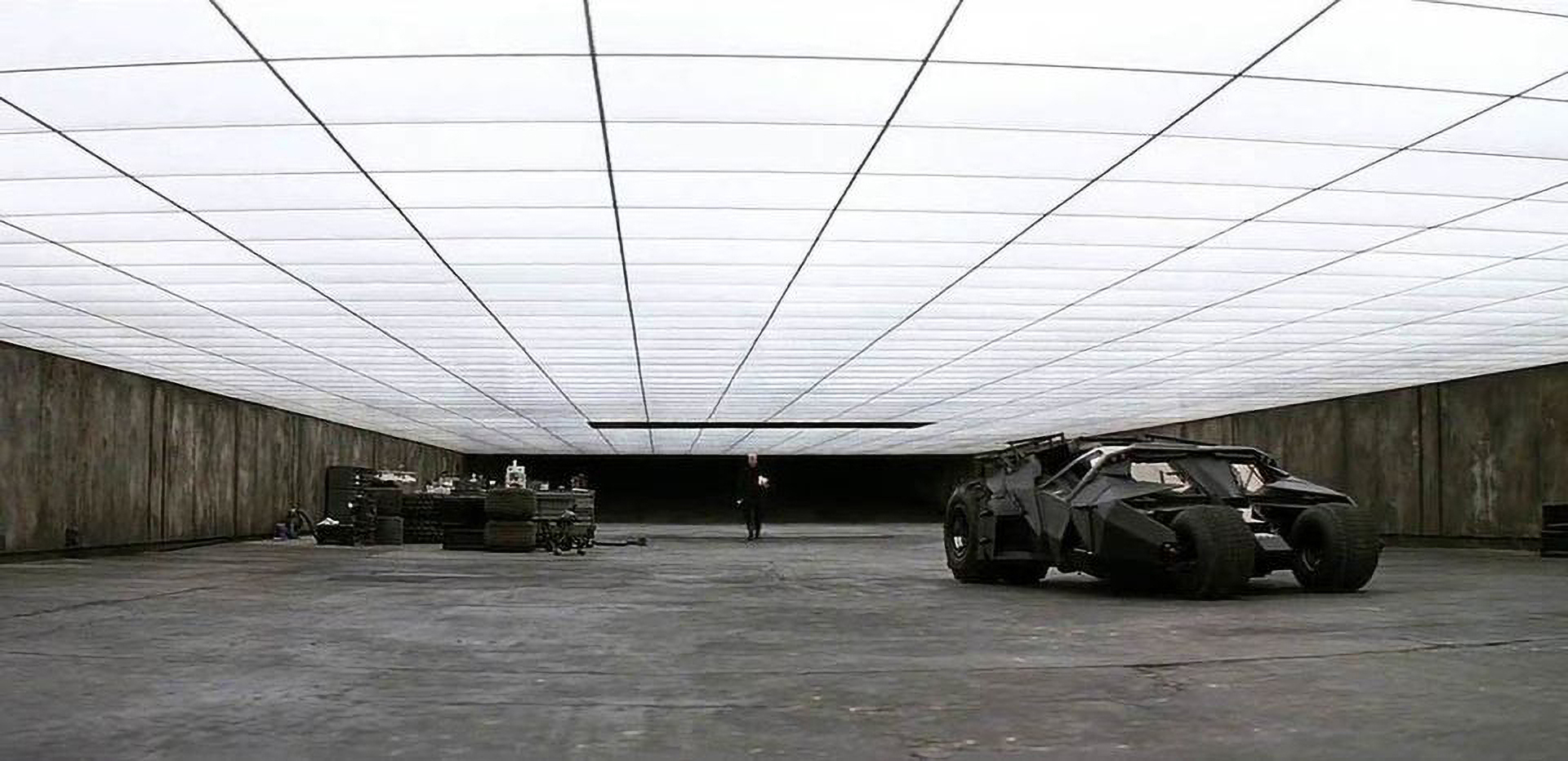
Above the main space, a continuous horizontal plane of polycarbonate runs across the nave. This functions as a uniform ceiling, behind which the lighting is concealed. The light, diffuse and homogeneous, transforms the interior into a serene light box.
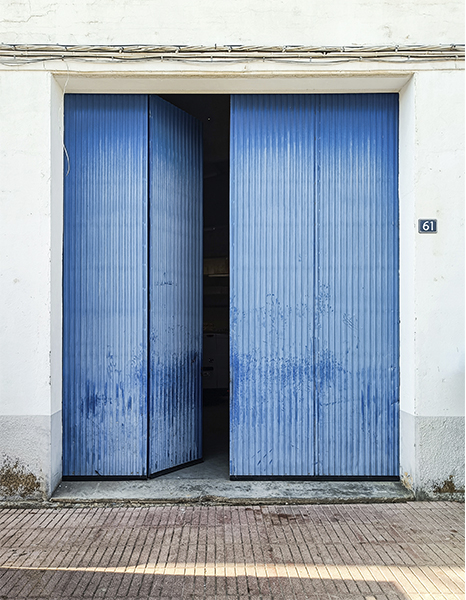
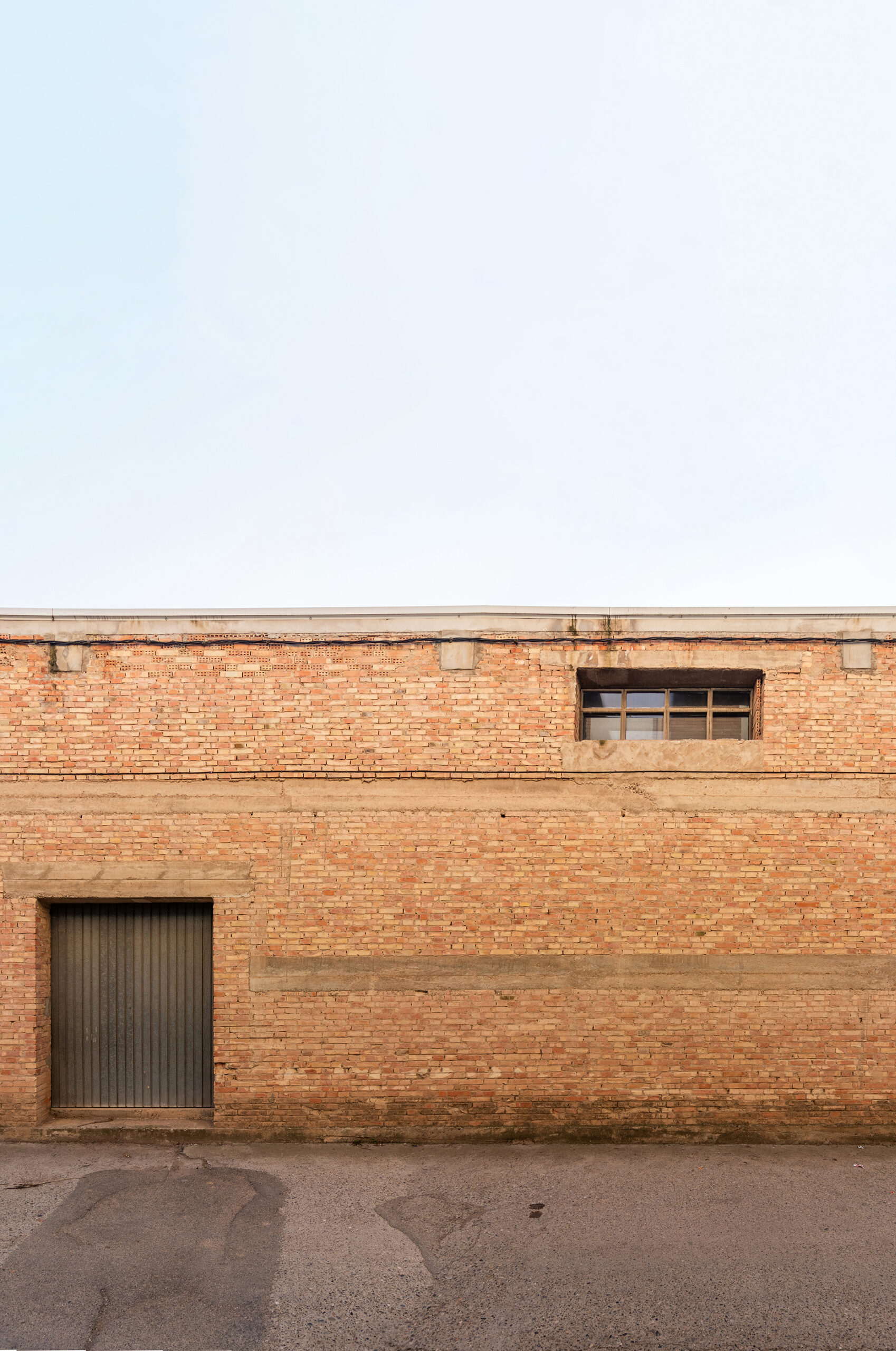
Externally, the render is removed to reveal the original masonry work. The entire volume is painted white, thus de-signifying its materiality, yet all historic layers can still be read through the geometrical variations of the different masonry bonds and patches. The exhibition furniture is designed as mobile pieces that structure the space without fixing it, allowing them to be displaced to free up the hall.
The architecture is understood as a silent backdrop, where light, proportion, and air construct a serene and timeless atmosphere.
SALA RIO CINCA
Olive Grove Interpretation Center in Zaidín
Saidí is a land deeply rooted in olive trees and groves. In this landscape, profoundly linked to the cultivation and culture of oil, the project proposes the recovery of a former warehouse structure to transform it into an Interpretation Centre: an exhibition space and a versatile hall adaptable to various uses.
The intervention begins with one essential operation: emptying the nave to restore its condition as a unitary space. Compartmentalisation and additions are eliminated, preserving only the structure and the envelope to free up a large, continuous void. A small, autonomous access volume is annexed to the structure, concentrating the enclosed uses (restrooms and control), allowing the rest of the space to remain flexible.
The building is conceived to function passively for as long as possible. The energy upgrade is based on reinforcing the thermal and acoustic insulation of the walls and roof, finished in white. A system of controlled natural ventilation is created using motorised openings that regulate cross-ventilation, reducing dependence on active systems and promoting sustainable use. Concurrently, openings are selectively adjusted to reduce visual noise and order the façade, directing views and reinforcing the interior-exterior relationship.
The interior design is defined by restraint and contrast: the floor is a continuous black paving that anchors the space. Up to 1.80m, the perimeter is clad with black-stained timber panelling, building a dense, dark base.
Above the main space, a continuous horizontal plane of polycarbonate runs across the nave. This functions as a uniform ceiling, behind which the lighting is concealed. The light, diffuse and homogeneous, transforms the interior into a serene light box.
Externally, the render is removed to reveal the original masonry work. The entire volume is painted white, thus de-signifying its materiality, yet all historic layers can still be read through the geometrical variations of the different masonry bonds and patches. The exhibition furniture is designed as mobile pieces that structure the space without fixing it, allowing them to be displaced to free up the hall.
The architecture is understood as a silent backdrop, where light, proportion, and air construct a serene and timeless atmosphere.
PROJECTS