PLAÇA DE L’ALZINA
13 social housing units, Community Center, and Square in the Villa de Gràcia
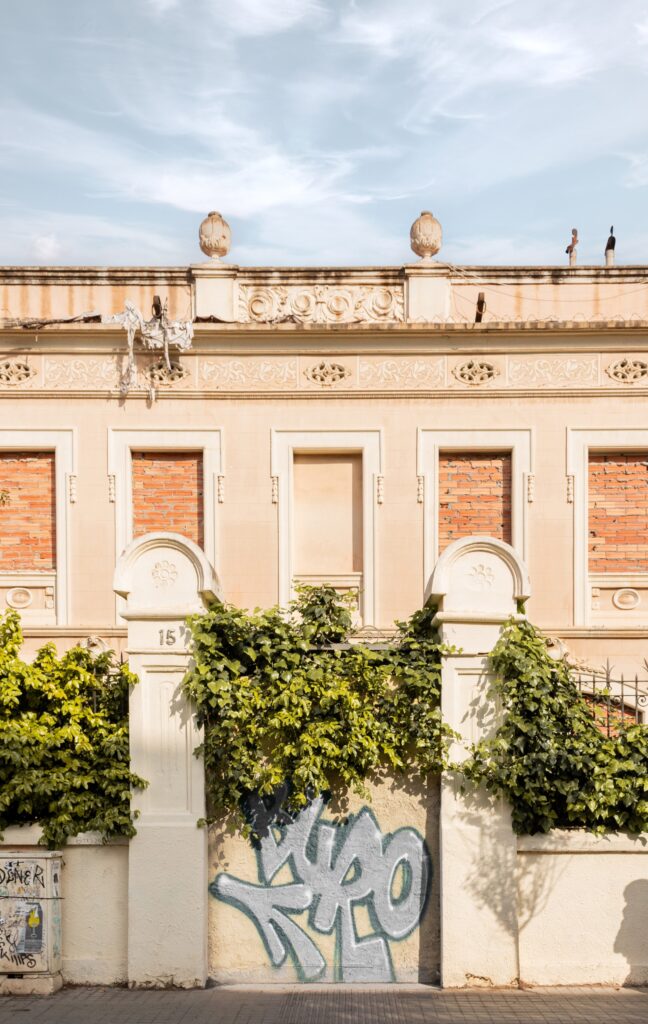
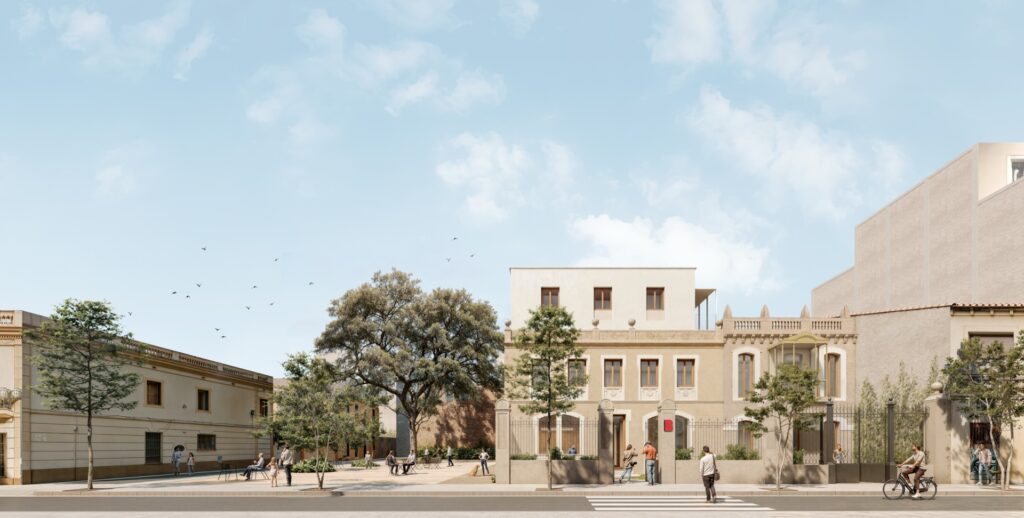
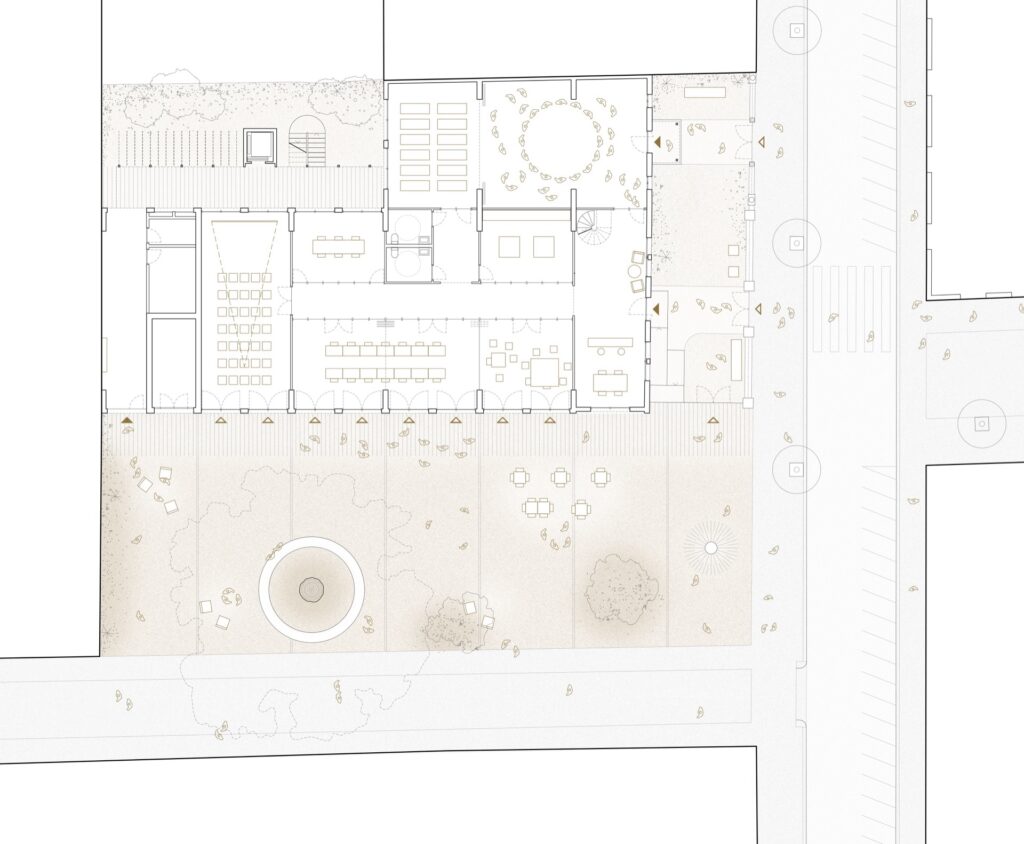
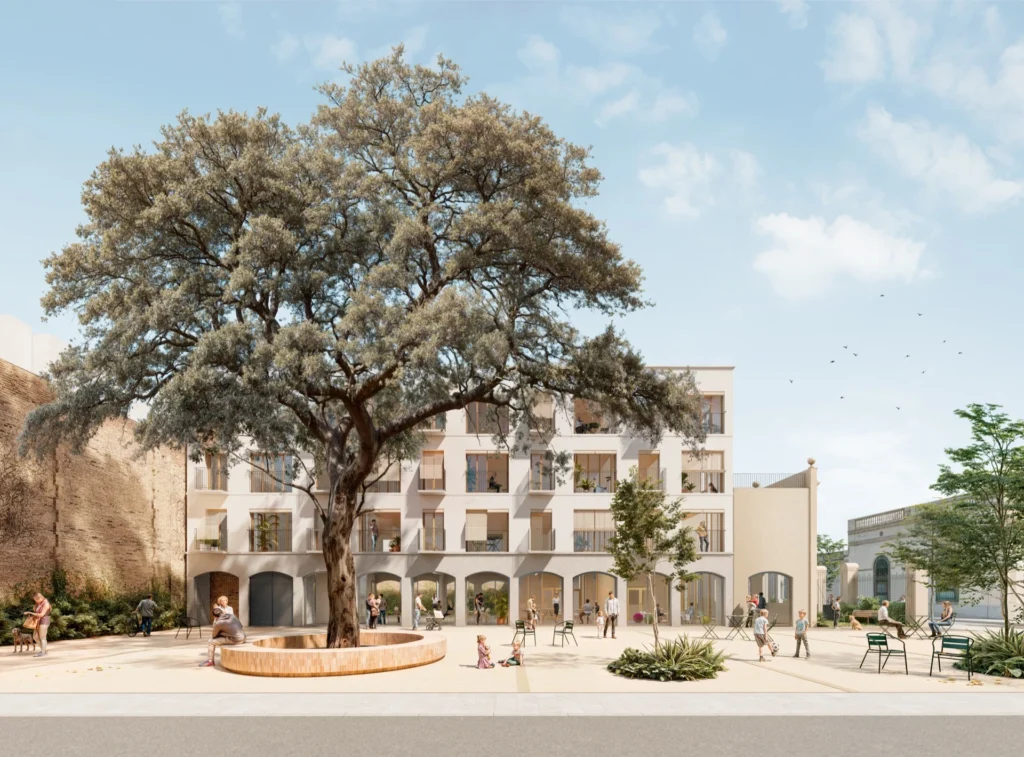
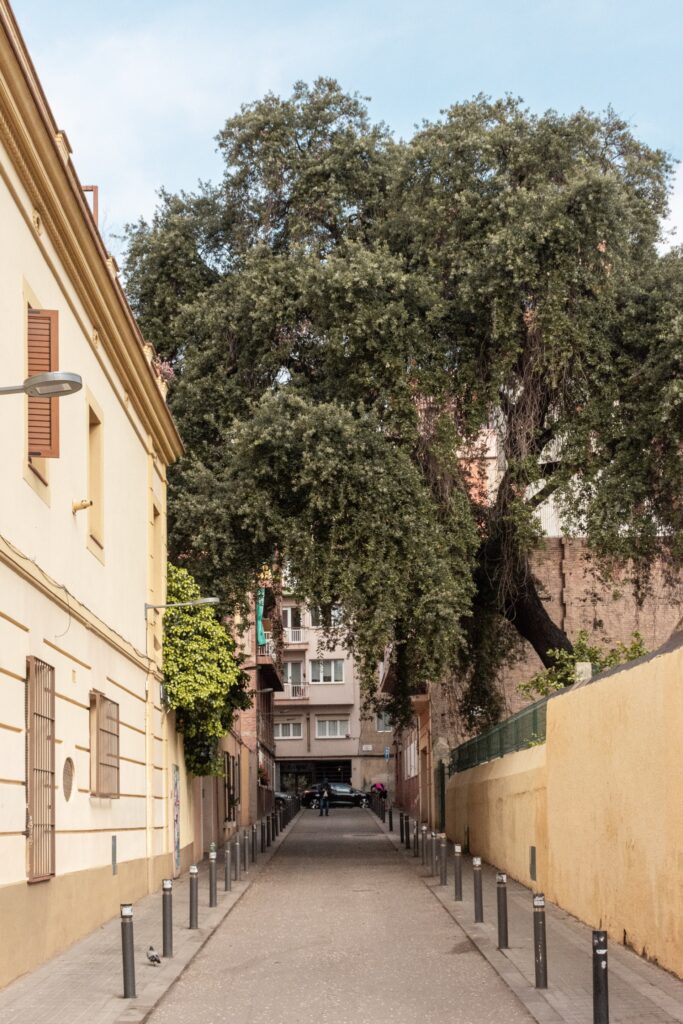
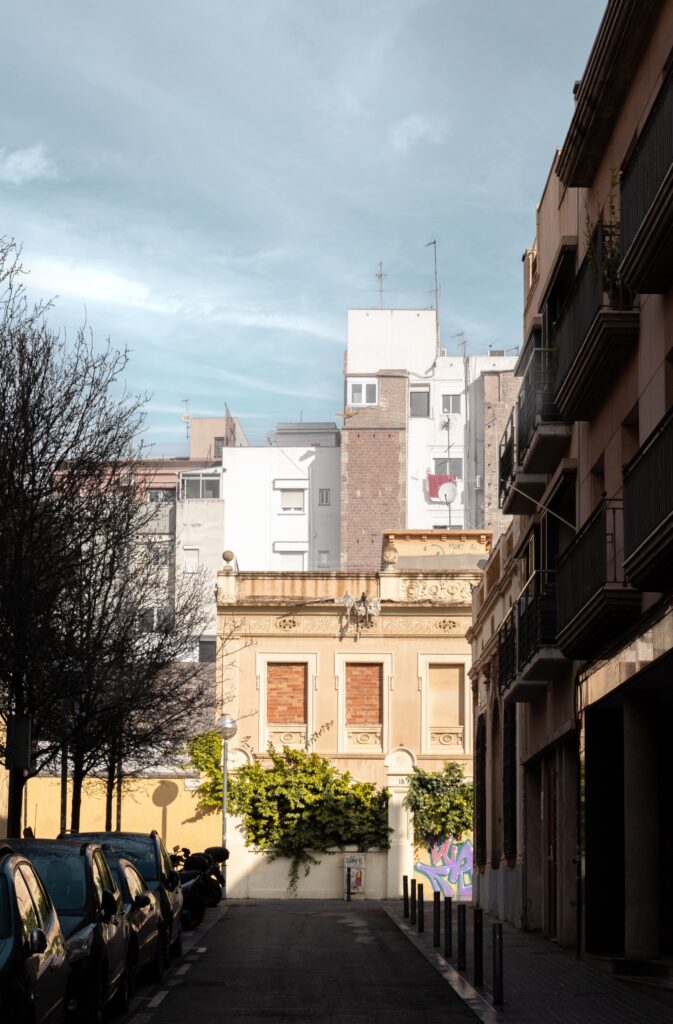
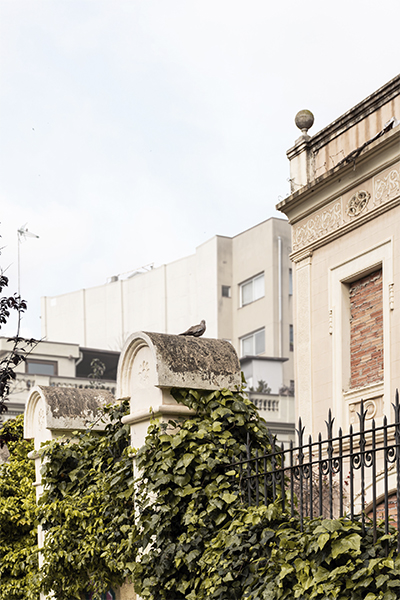
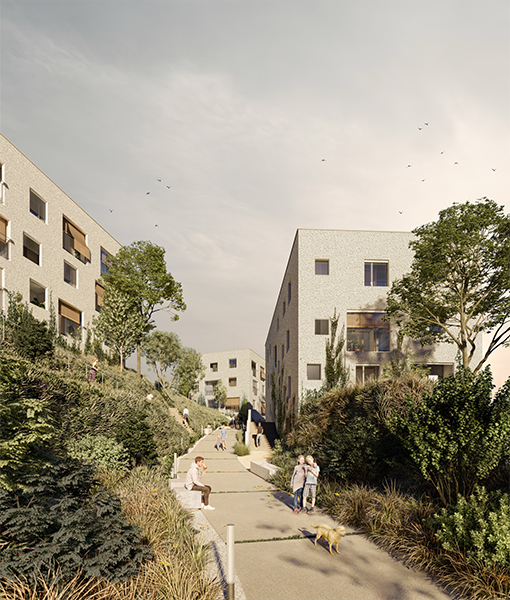
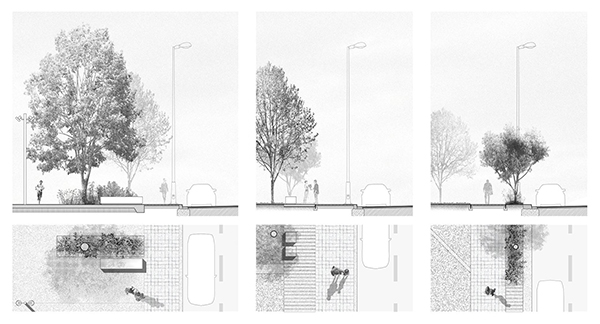
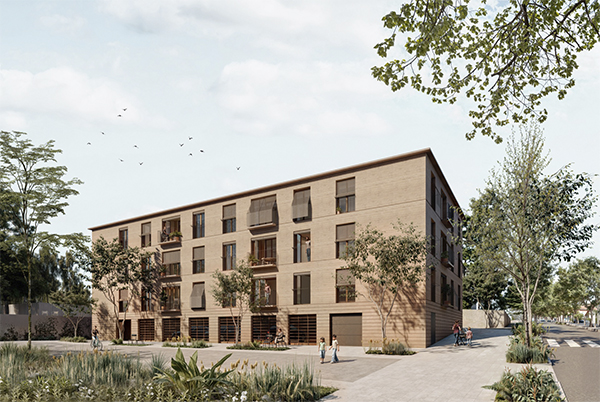
The project articulates the Jardí de l’Alzina as an open public square, replicating the structure of the neighbourhood’s existing squares and connecting it to an iconic axis. The new plaza gives continuity to the surrounding streets and transforms the site’s former condition as a neglected, cornered garden, thereby mitigating concerns regarding potential spaces of insecurity.
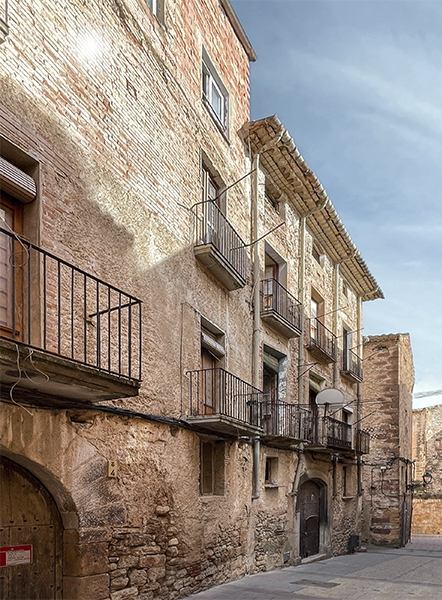
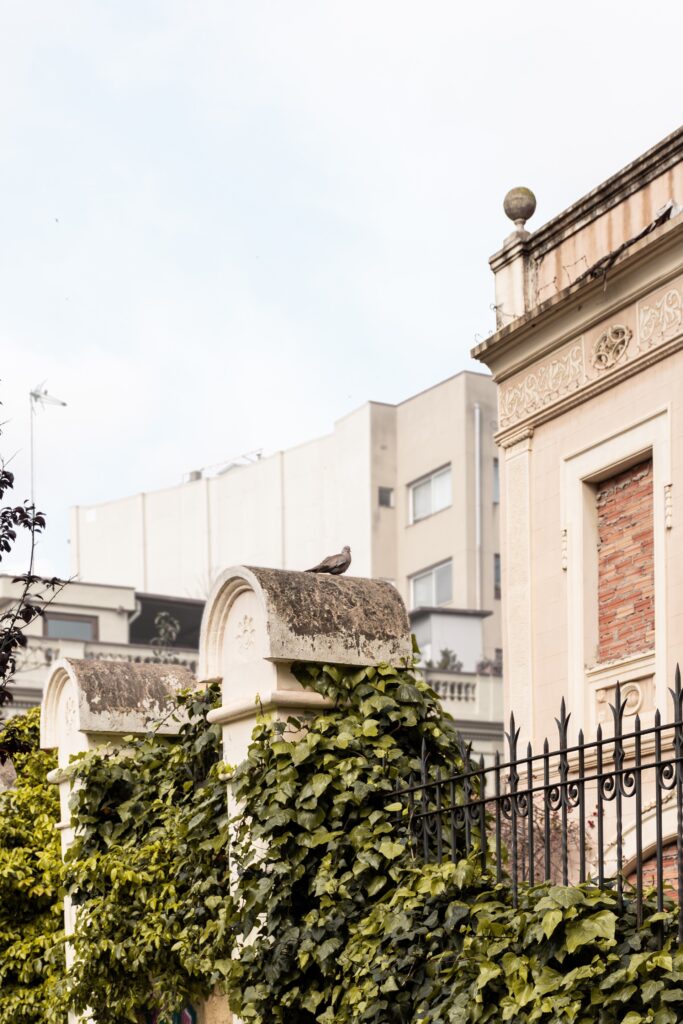
The core strategy involves a modification of the original master plan. The development rights (buildability) are relocated to make the volume more compact, liberating additional public space and enhancing the adjacent heritage façades. The built volume is designed with varying heights to effectively enclose the block.
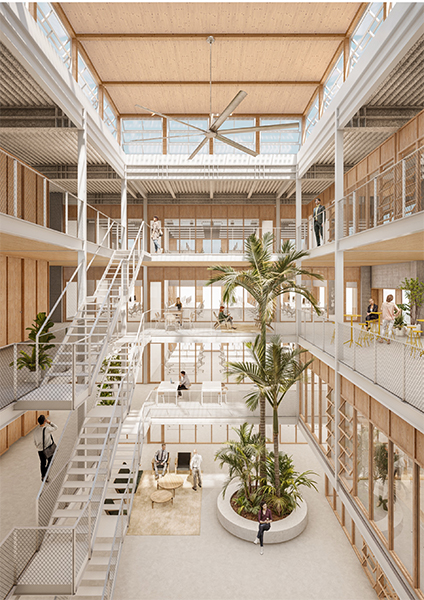
The Community Centre is situated on the ground floor, facing the new square. The façade is composed of large arched openings, seeking maximum transparency and permeability, thus linking the public space with the community facility. The main entrance preserves the original, iconic doorway, leading into a double-height lobby that articulates a flexible system of rooms, allowing for multiple configurations and expansion into the first-floor space.
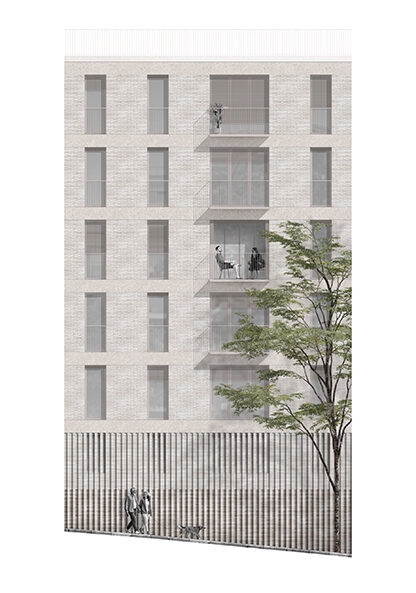
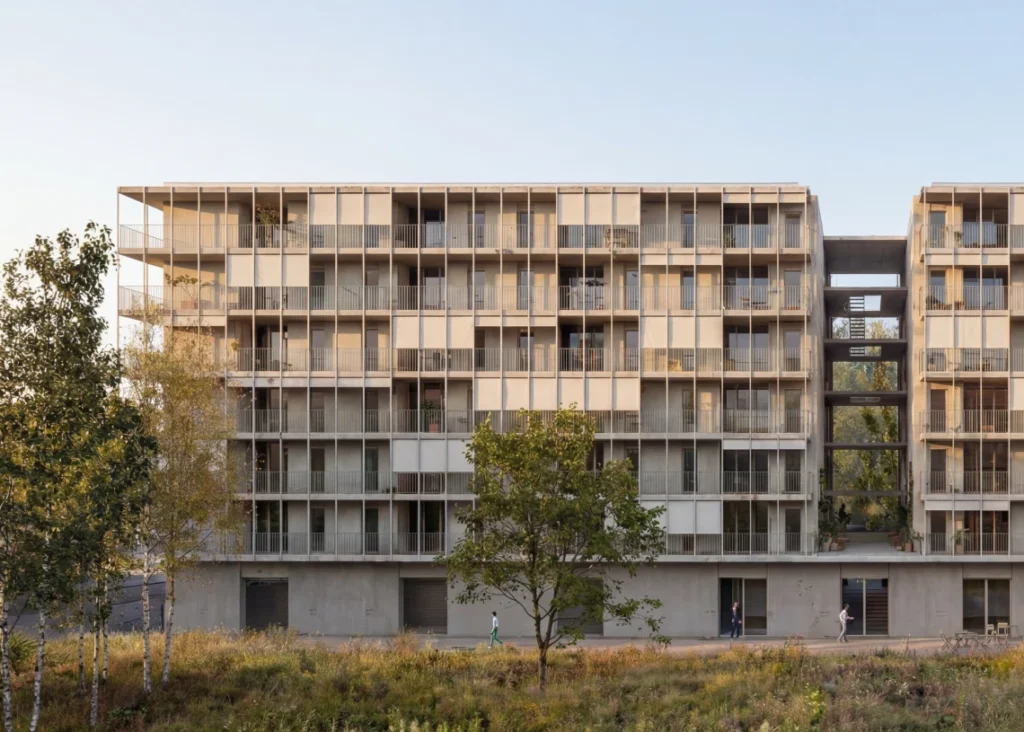
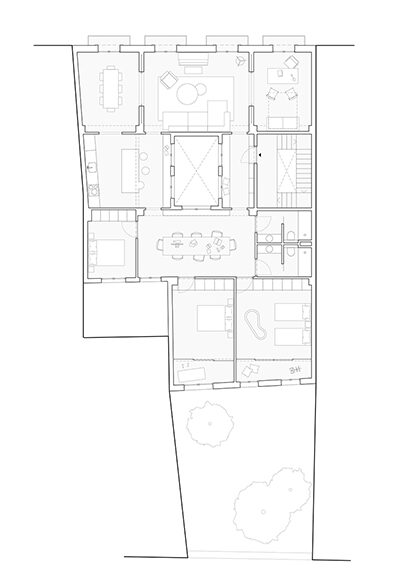
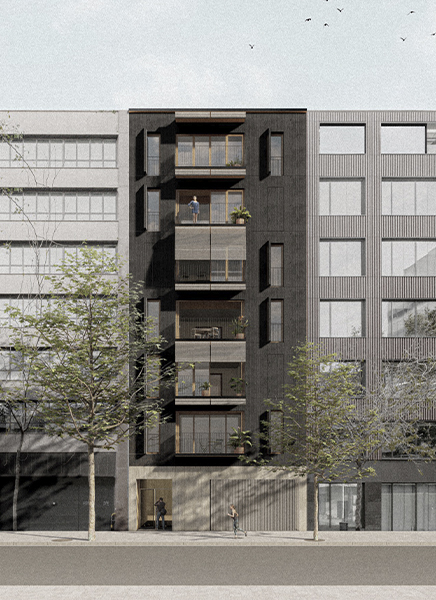
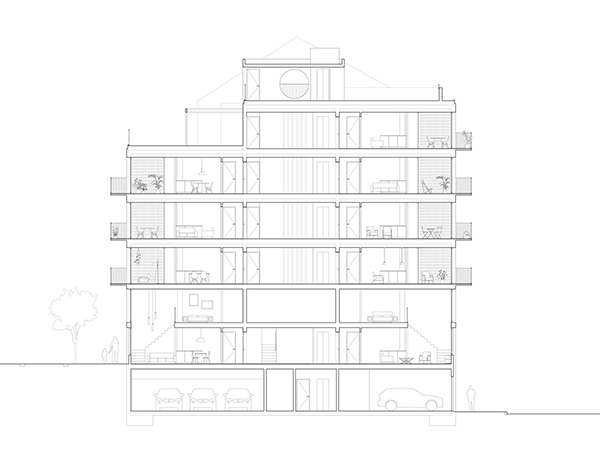
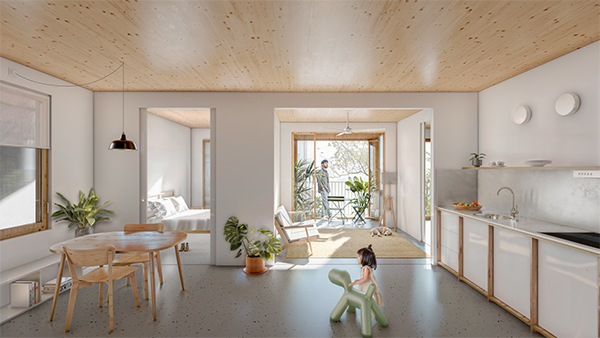
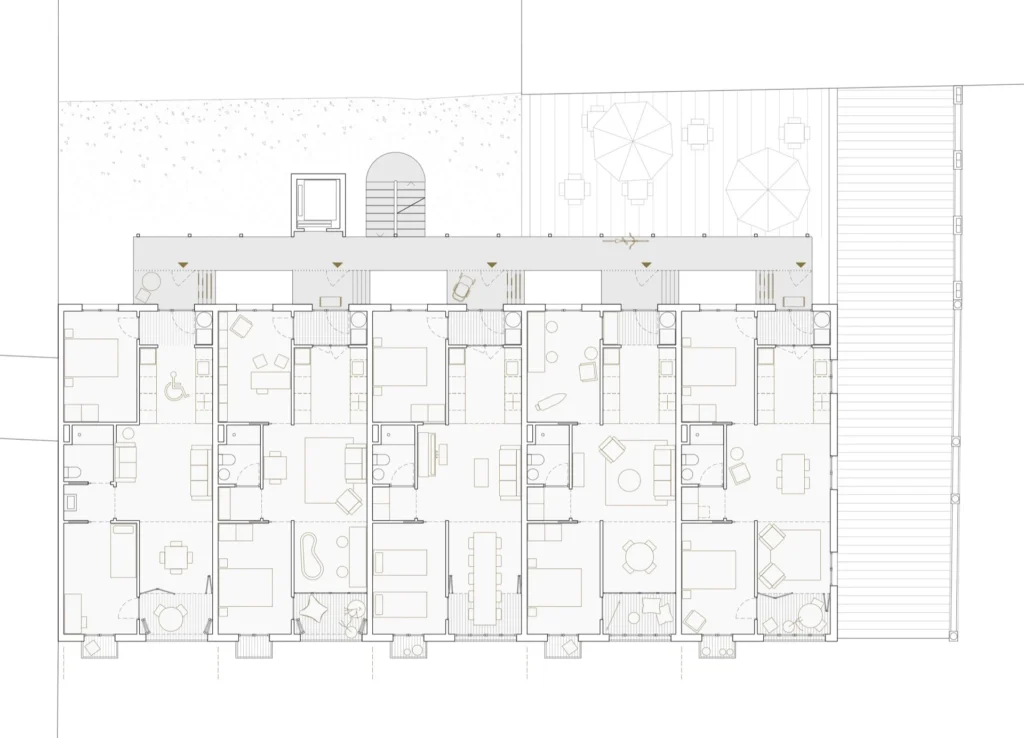
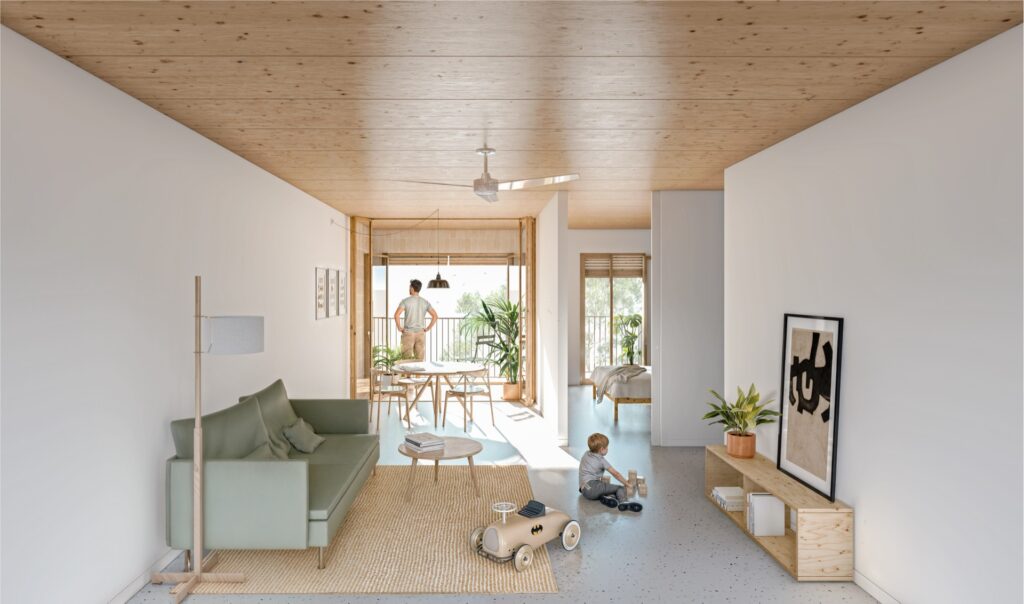
The residential building is configured as a single block oriented towards the square (South-West) and the interior of the block, where the access walkways are placed. A single, through-unit typology is proposed, featuring one band of private spaces and another that links the collective spaces, resolved in a continuous area opening onto a gallery. The rooms are double and of equal dimensions, promoting de-hierarchisation for non-traditional cohabitation units. Reproductive spaces (kitchens, laundry) are centrally located or placed on terraces, increasing their visibility and promoting socialisation.
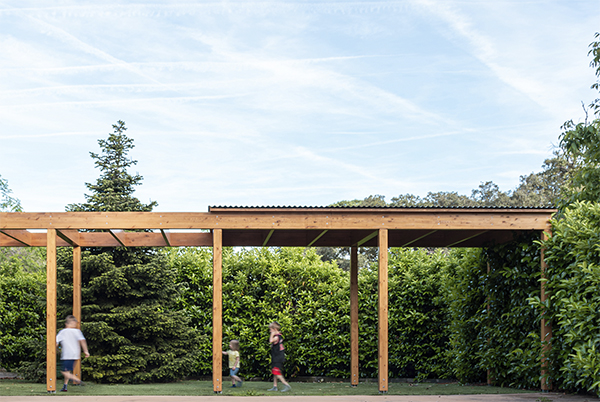
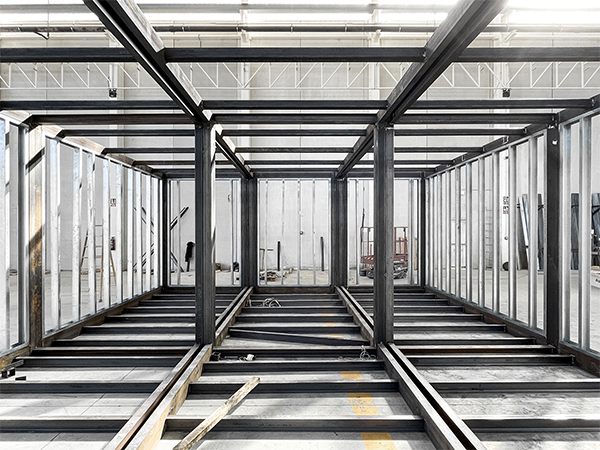
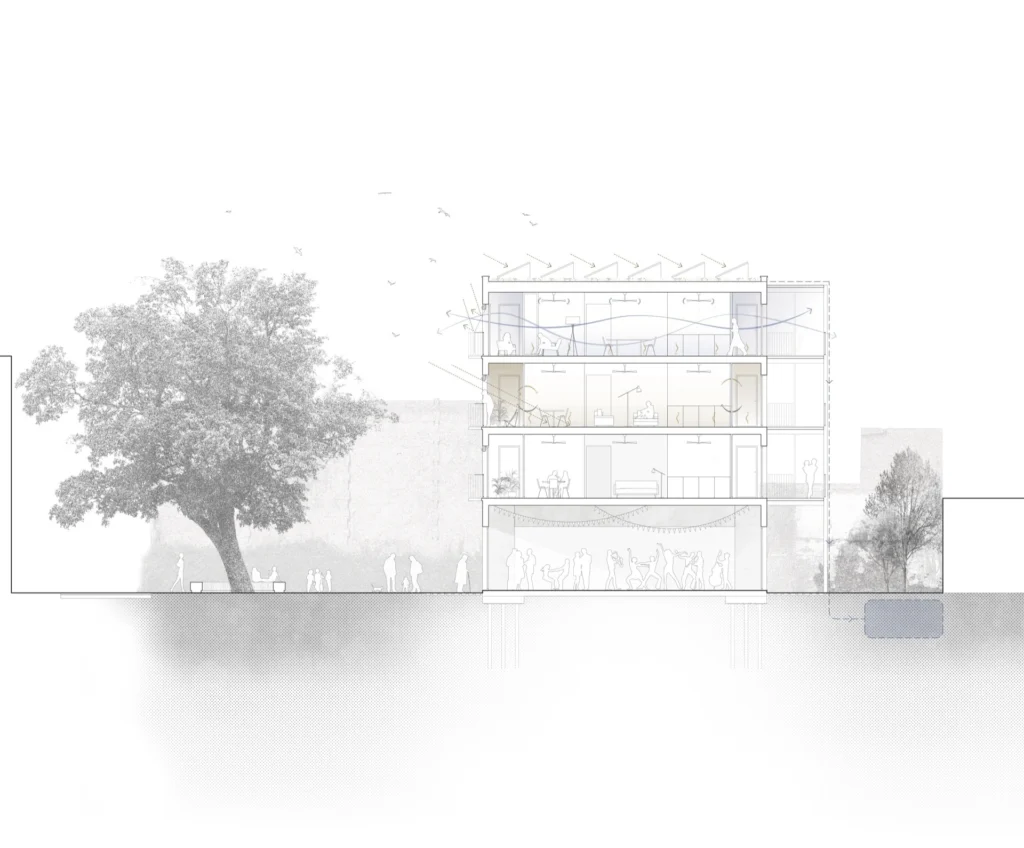
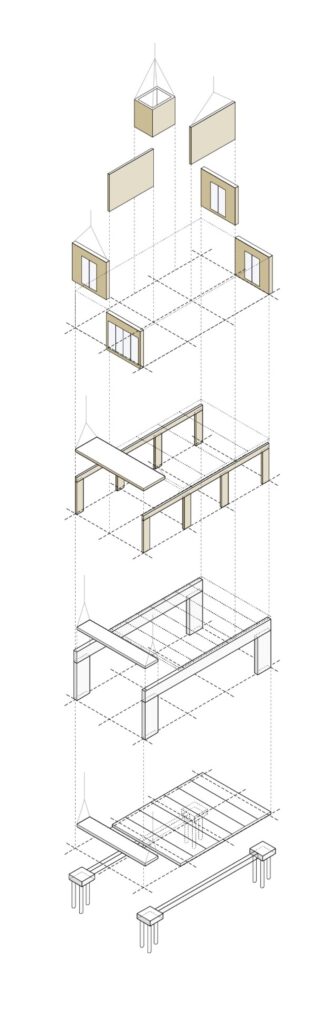
The design commits to modulation and serialisation, employing prefabrication and dry construction to minimise impact. The structure of the housing floors features timber frames (porticos) to lighten the load, given the presence of the Holm Oak’s roots.
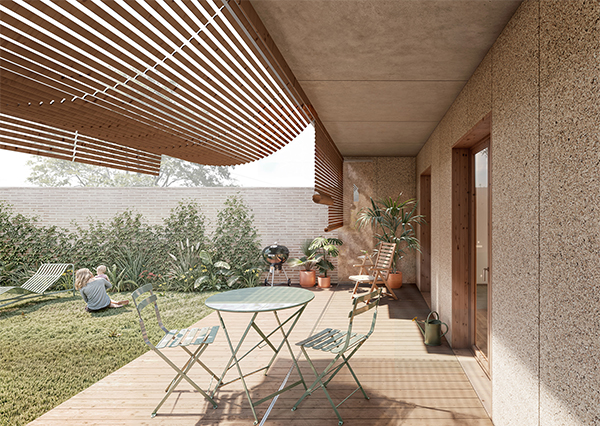
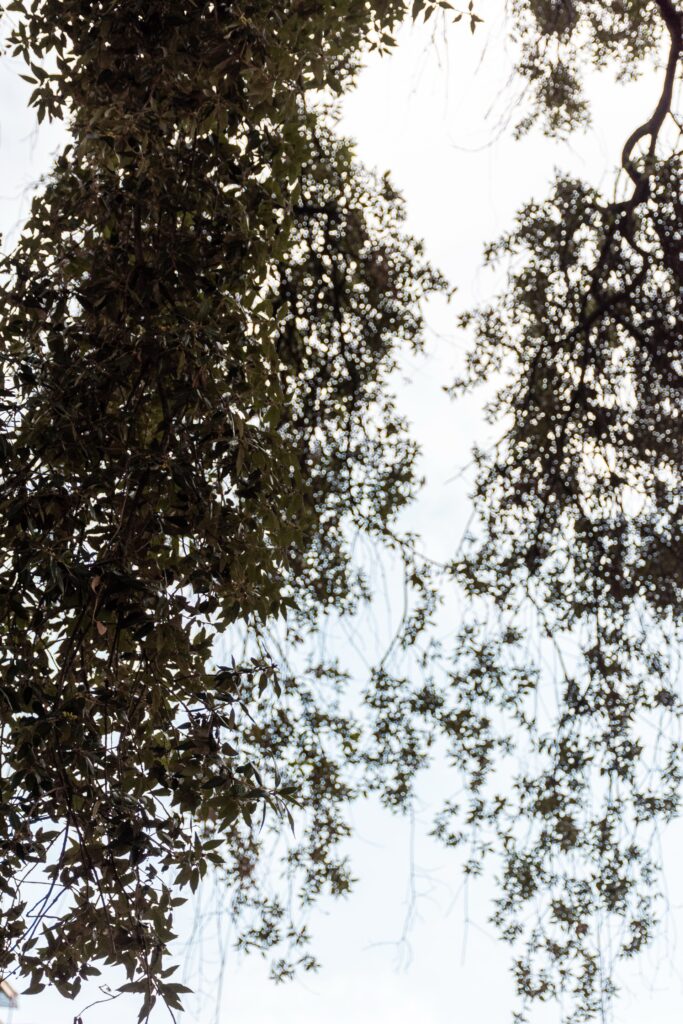
Energy efficiency is ensured by a compact volume and through-typologies that enable cross-ventilation. The galleries are integrated as bioclimatic filters. Regarding water sustainability, the square is paved with permeable surfacing for the irrigation of the oak tree, and a Sustainable Urban Drainage System (SUDS) is implemented to reduce water demand.
Barcelona, 2022-Ongoing
IMHAB
Photography by ANVAR
With Les Golfes and DFT arquitectes
PLAÇA DE L’ALZINA
13 social housing units, Community Center, and Square in the Villa de Gràcia
The project articulates the Jardí de l’Alzina as an open public square, replicating the structure of the neighbourhood’s existing squares and connecting it to an iconic axis. The new plaza gives continuity to the surrounding streets and transforms the site’s former condition as a neglected, cornered garden, thereby mitigating concerns regarding potential spaces of insecurity.
The core strategy involves a modification of the original master plan. The development rights (buildability) are relocated to make the volume more compact, liberating additional public space and enhancing the adjacent heritage façades. The built volume is designed with varying heights to effectively enclose the block.
The Community Centre is situated on the ground floor, facing the new square. The façade is composed of large arched openings, seeking maximum transparency and permeability, thus linking the public space with the community facility. The main entrance preserves the original, iconic doorway, leading into a double-height lobby that articulates a flexible system of rooms, allowing for multiple configurations and expansion into the first-floor space.
The residential building is configured as a single block oriented towards the square (South-West) and the interior of the block, where the access walkways are placed. A single, through-unit typology is proposed, featuring one band of private spaces and another that links the collective spaces, resolved in a continuous area opening onto a gallery. The rooms are double and of equal dimensions, promoting de-hierarchisation for non-traditional cohabitation units. Reproductive spaces (kitchens, laundry) are centrally located or placed on terraces, increasing their visibility and promoting socialisation.
The design commits to modulation and serialisation, employing prefabrication and dry construction to minimise impact. The structure of the housing floors features timber frames (porticos) to lighten the load, given the presence of the Holm Oak’s roots.
Energy efficiency is ensured by a compact volume and through-typologies that enable cross-ventilation. The galleries are integrated as bioclimatic filters. Regarding water sustainability, the square is paved with permeable surfacing for the irrigation of the oak tree, and a Sustainable Urban Drainage System (SUDS) is implemented to reduce water demand.
Barcelona, 2022-Ongoing
IMHAB
Photography: ANVAR
With Les Golfes and DFT arquitectes
PROJECTS