VOLART
19 dwellings in Barcelona
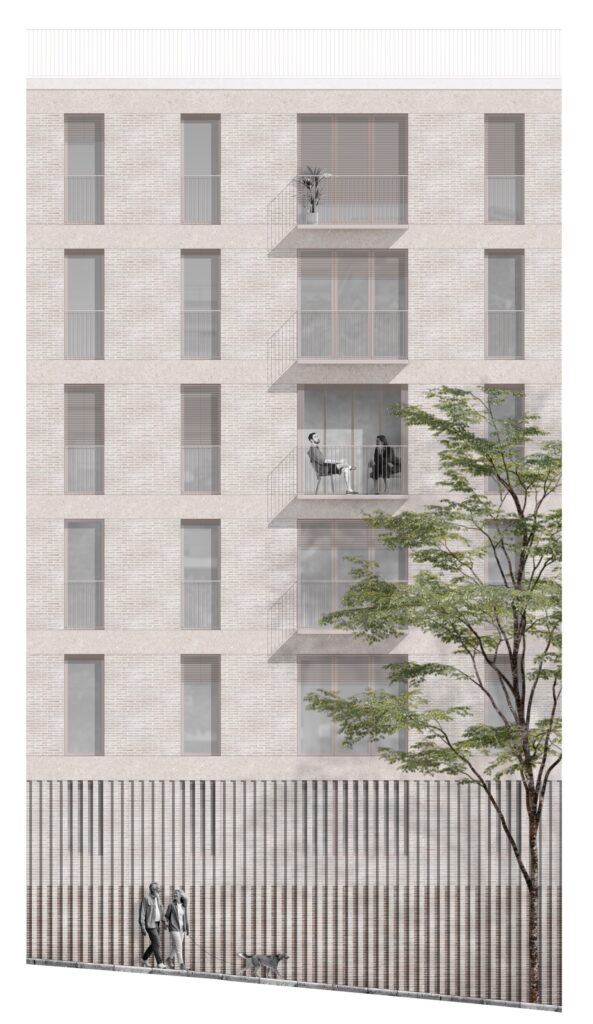
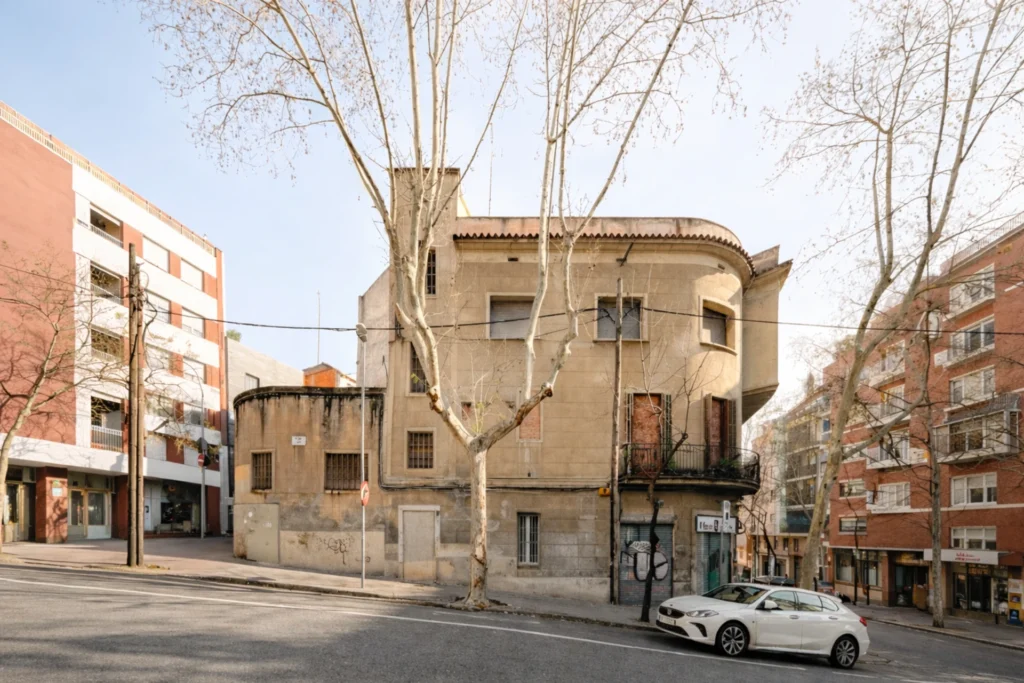
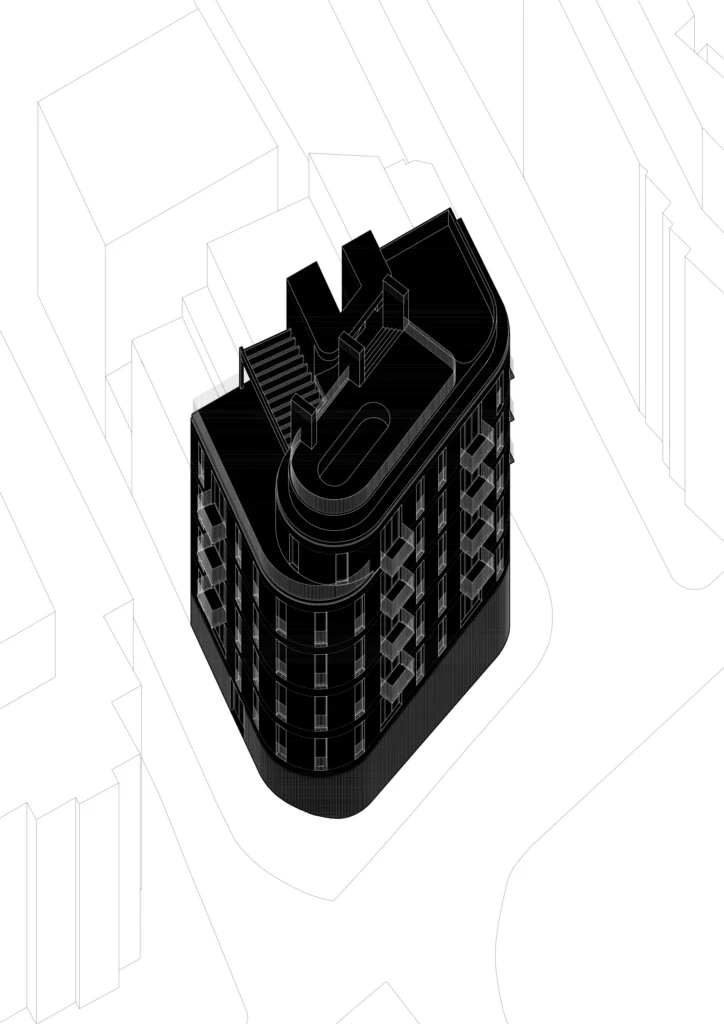
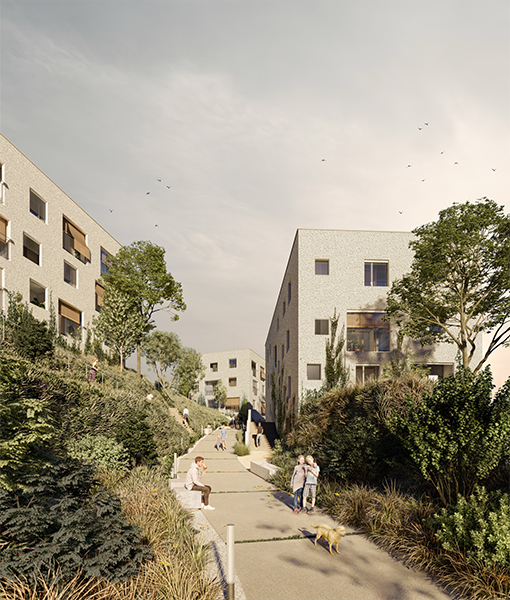
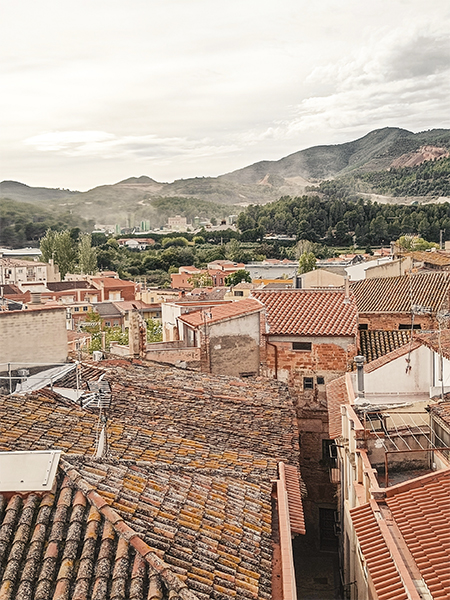
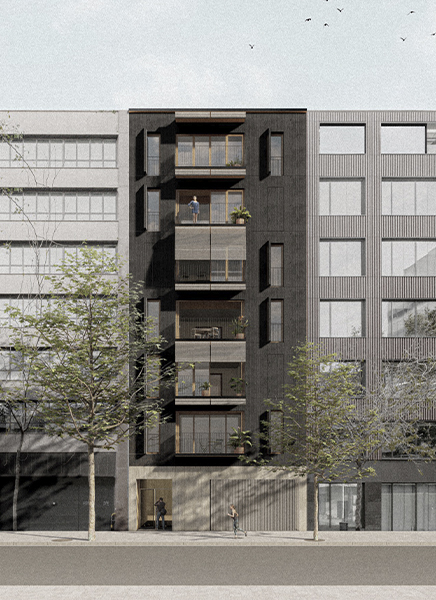
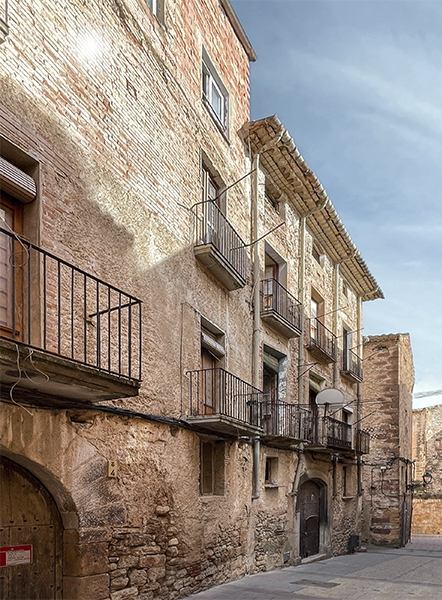
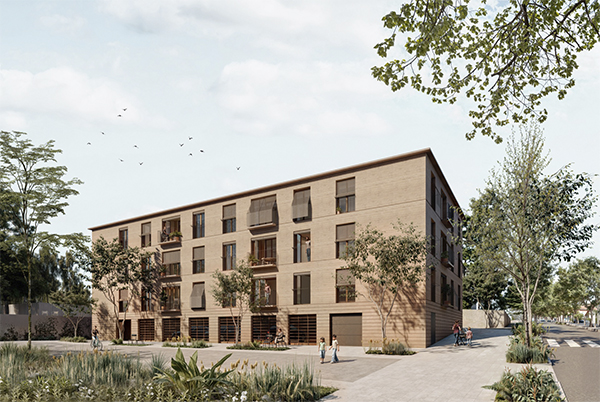
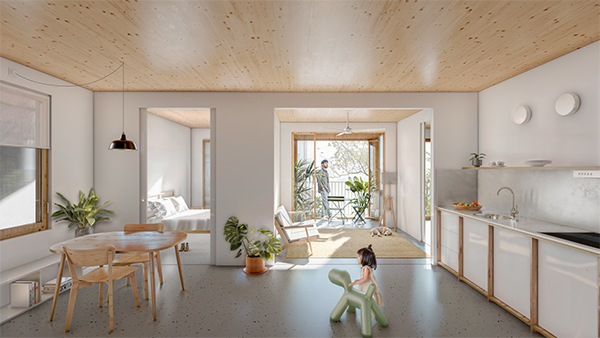
The housing building is conceived as a sober volume rooted in its neighbourhood, using its ochre, reddish and earthy tones as the chromatic foundation. The proposal, in coherence with the surrounding context, emerges from a solid mass in which voids are carved with precision: a building of openings, where the weight of the mass defines its urban character and gives it a clear, robust architectural presence.
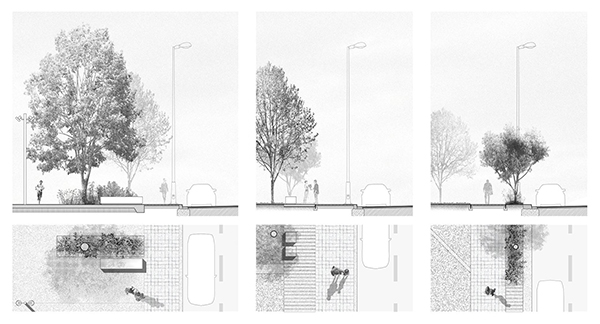
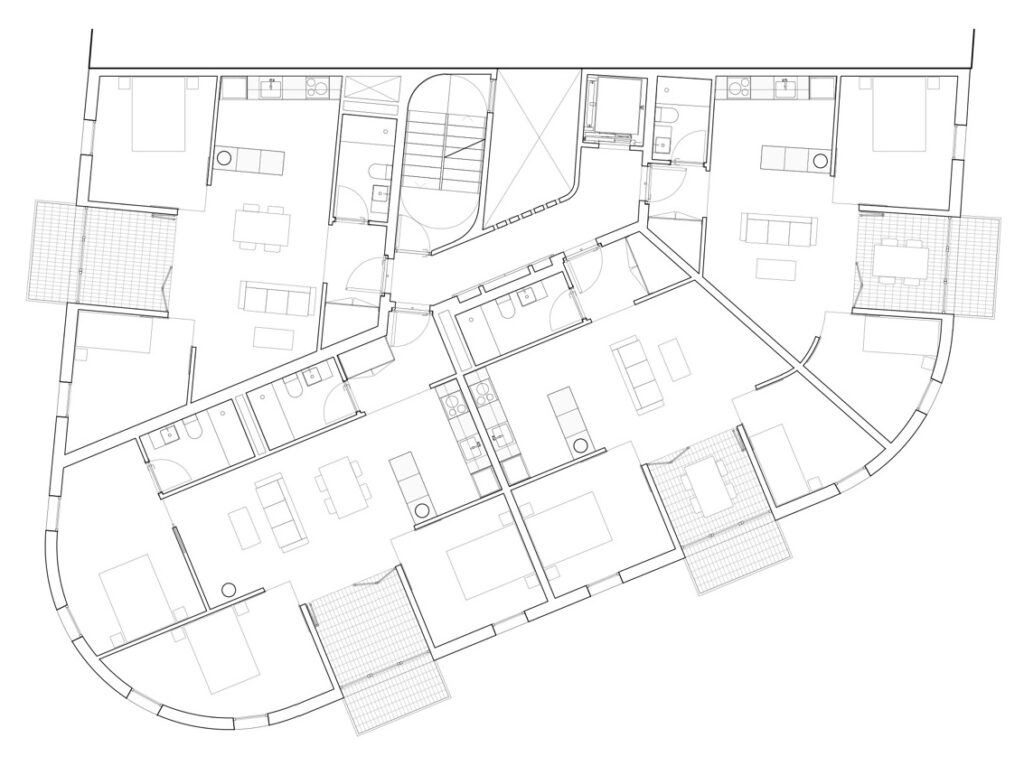
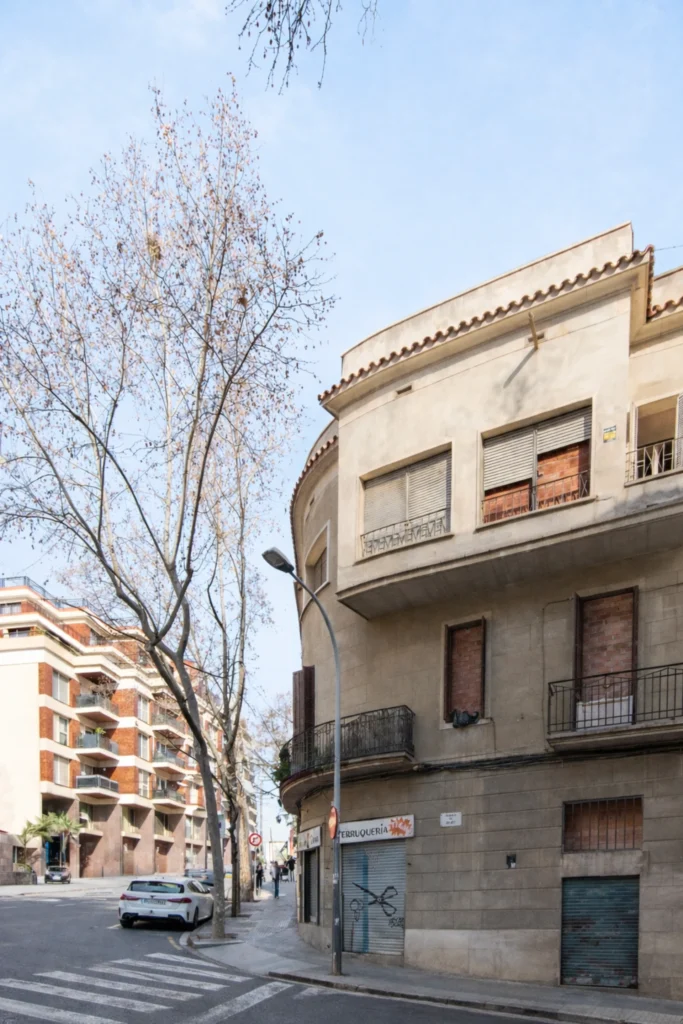
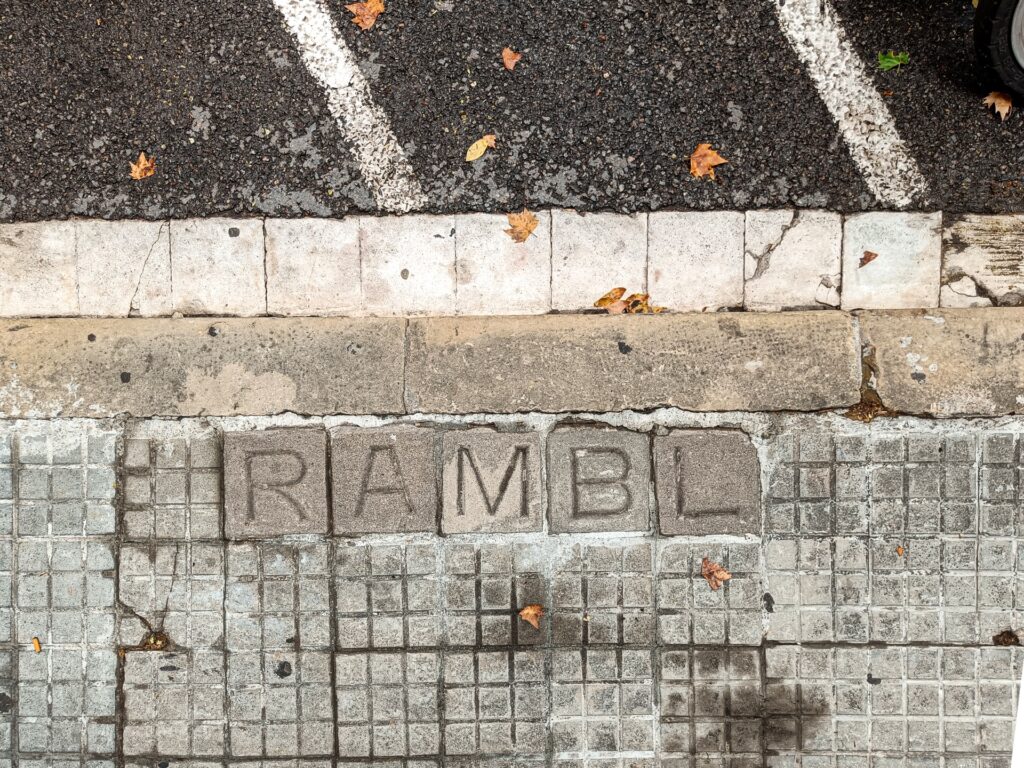
The volumetry is attached to the party wall and adapts to the condition of having three façades —Rambla Volart, Juliol Street and Feliu Street— by means of a stepped configuration that responds to the width and slope of each street. Curved chamfers provide continuity and soften the perception of the whole, integrating it naturally into the existing residential fabric.
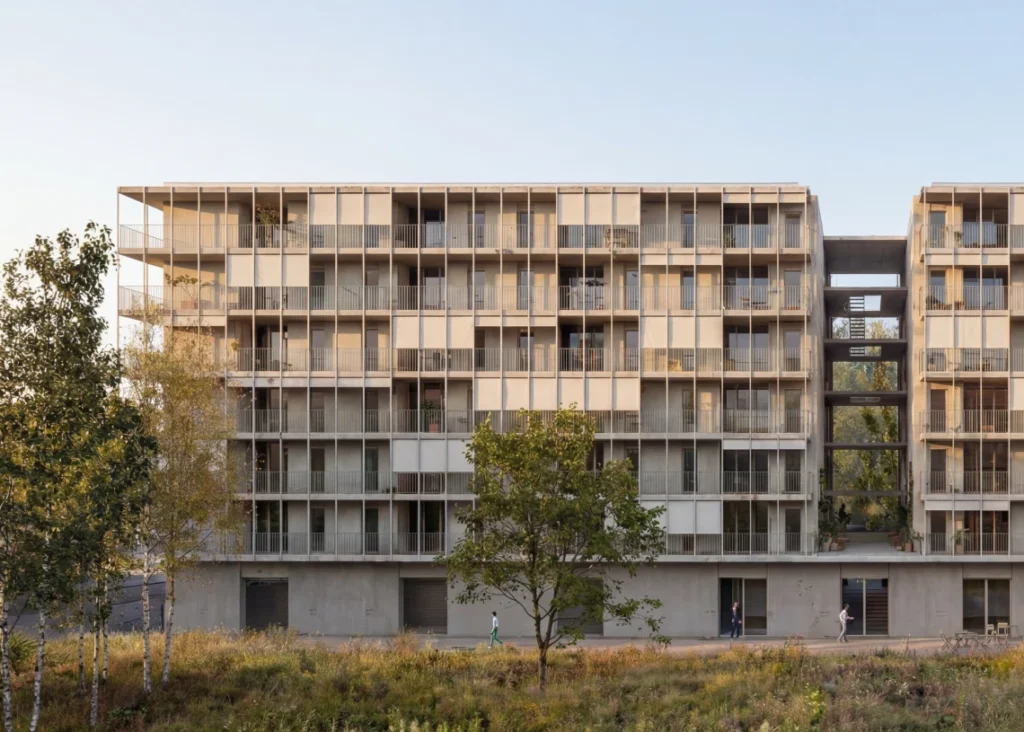
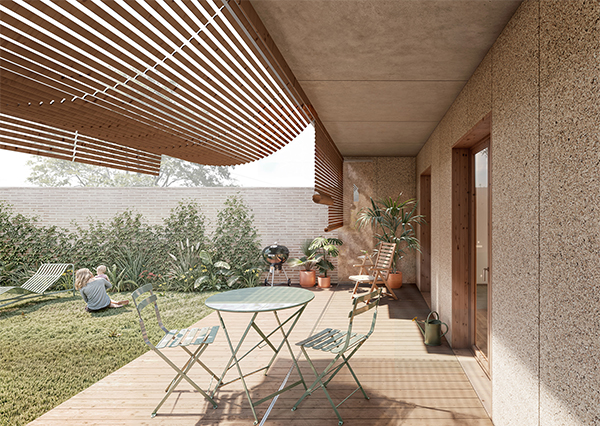
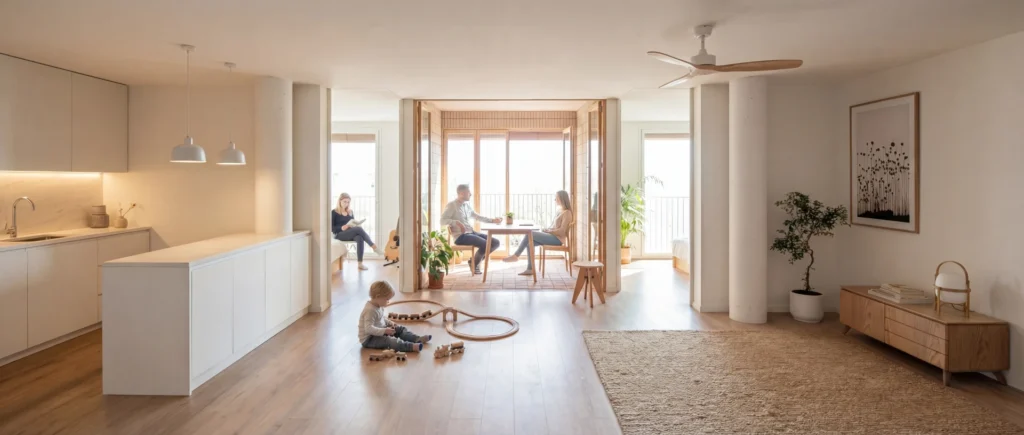
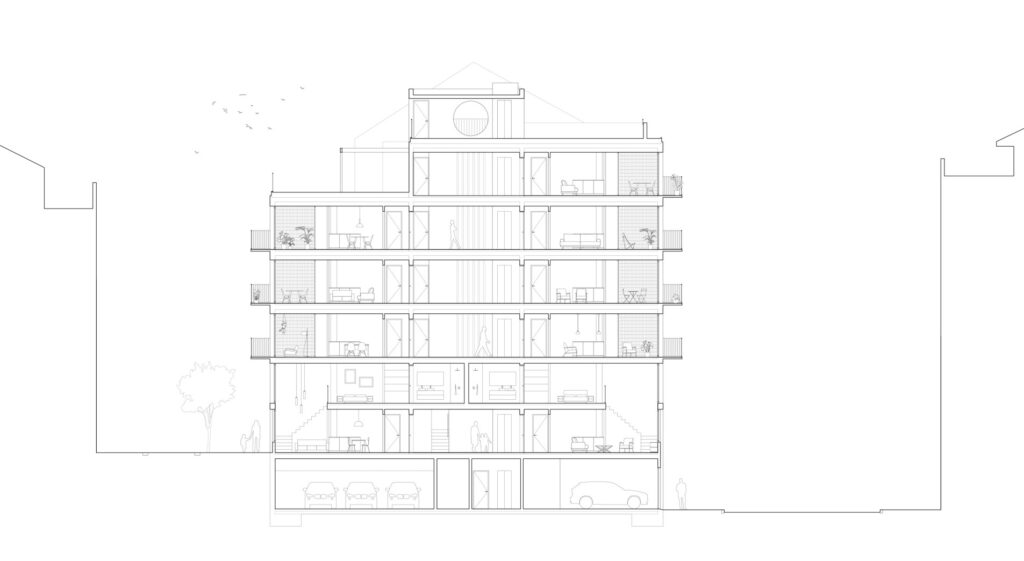
The openings are resolved through two distinct systems: balcony doors in the bedrooms and gallery-balconies in the living rooms. These galleries are conceived as intermediate, fully operable spaces that act as thermal buffers —providing solar protection in summer and passive heat gain in winter. Adjustable sun-shading elements and cross-ventilation through the central courtyard complete the environmental strategy.
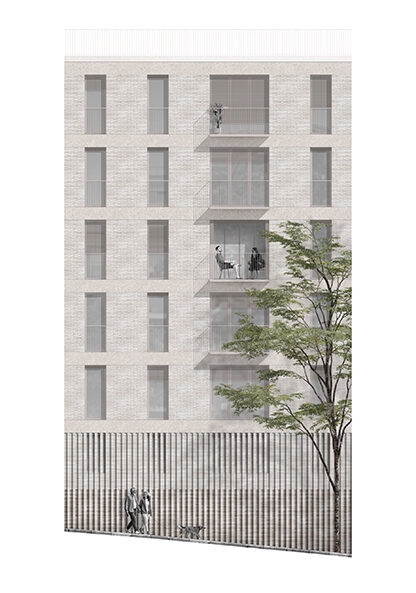
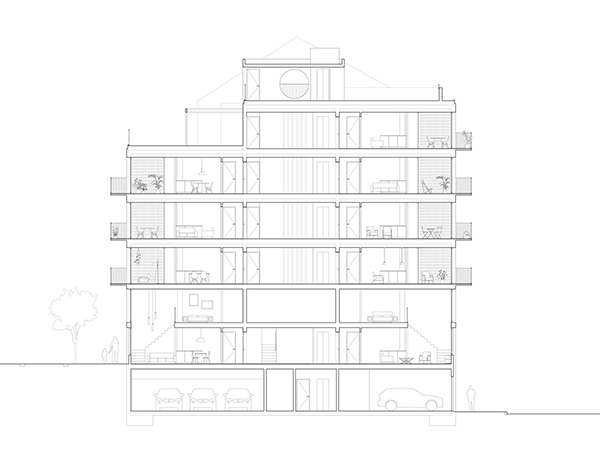
On the ground floor, a ceramic base with latticework visually unifies the openings, provides privacy for the dwellings in direct contact with the street and ensures natural ventilation for the semi-basement parking. The ground-floor units include a recessed mezzanine and a double-height space that amplifies the scale of the interior and increases natural light.
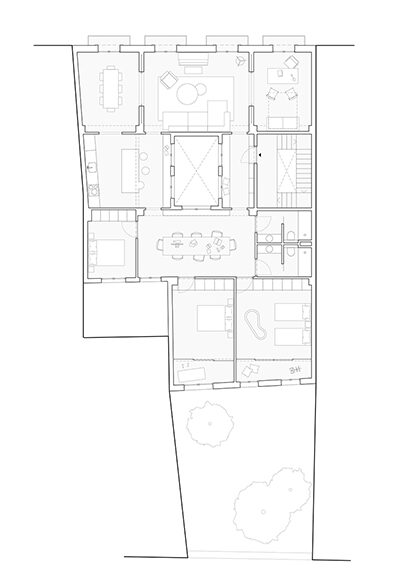
In constructive terms, the building is resolved with a reinforced concrete structure organised in a double ring, and façades of exposed brick laid with care, using thick joints and lime mortar to enhance texture and expressiveness. The ring-shaped organisation of the dwellings ensures that all main rooms receive direct light and ventilation from the street, while service cores are arranged towards the interior, optimising the performance of each home.
Barcelona, 2025-Ongoing
Private client
Photography by ANVAR
VOLART
19 dwellings in Barcelona
The housing building is conceived as a sober volume rooted in its neighbourhood, using its ochre, reddish and earthy tones as the chromatic foundation. The proposal, in coherence with the surrounding context, emerges from a solid mass in which voids are carved with precision: a building of openings, where the weight of the mass defines its urban character and gives it a clear, robust architectural presence.
The volumetry is attached to the party wall and adapts to the condition of having three façades —Rambla Volart, Juliol Street and Feliu Street— by means of a stepped configuration that responds to the width and slope of each street. Curved chamfers provide continuity and soften the perception of the whole, integrating it naturally into the existing residential fabric.
The openings are resolved through two distinct systems: balcony doors in the bedrooms and gallery-balconies in the living rooms. These galleries are conceived as intermediate, fully operable spaces that act as thermal buffers —providing solar protection in summer and passive heat gain in winter. Adjustable sun-shading elements and cross-ventilation through the central courtyard complete the environmental strategy.
On the ground floor, a ceramic base with latticework visually unifies the openings, provides privacy for the dwellings in direct contact with the street and ensures natural ventilation for the semi-basement parking. The ground-floor units include a recessed mezzanine and a double-height space that amplifies the scale of the interior and increases natural light.
In constructive terms, the building is resolved with a reinforced concrete structure organised in a double ring, and façades of exposed brick laid with care, using thick joints and lime mortar to enhance texture and expressiveness. The ring-shaped organisation of the dwellings ensures that all main rooms receive direct light and ventilation from the street, while service cores are arranged towards the interior, optimising the performance of each home.
Barcelona, 2025-Ongoing
Private client
Photography: ANVAR
PROJECTS